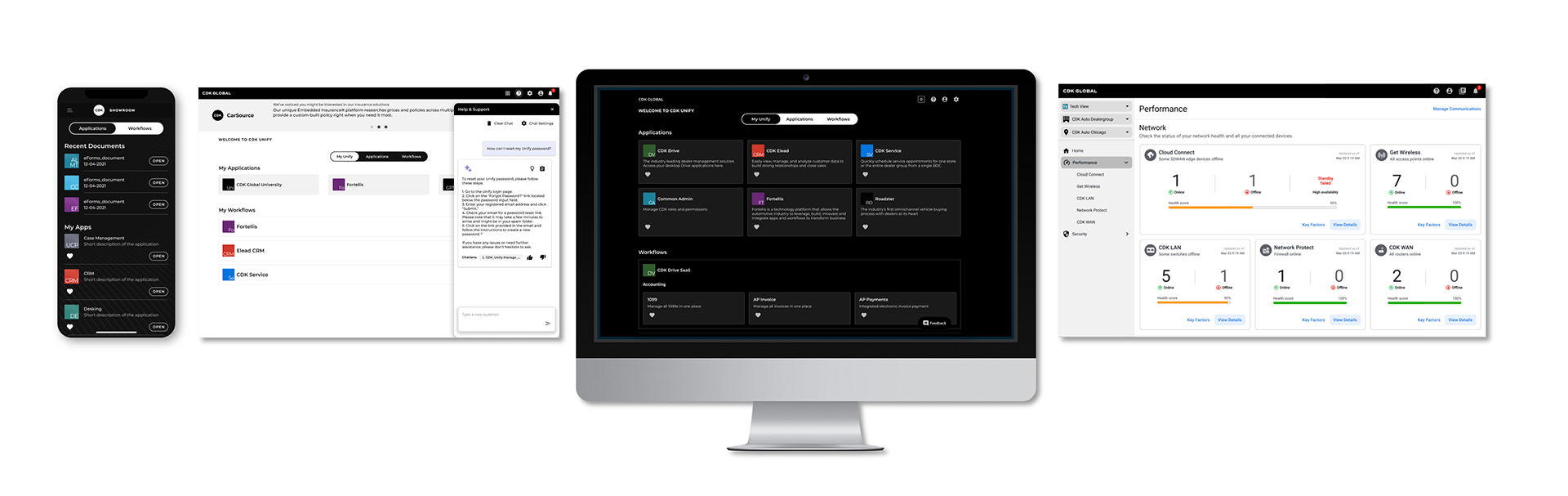
One interface layer that consolidated 58 login screens into a single modern experience for 15,000+ dealerships, achieving 96% beta adoption.
CDK's legacy dealer management system, Drive, was the backbone of over 15,000 dealerships. It was powerful, but decades of acquisitions and bolt-on products had created a fragmented experience. Dealers weren't using one product. They were navigating dozens of disconnected applications with inconsistent interfaces, separate credentials, and no shared context between tools.
We conducted a formal audit across all CDK applications and uncovered that dealers faced 58 different login screens. Fifty-eight. Each application had its own authentication, its own navigation model, and its own design language. User research confirmed what the audit suggested: dealers were spending significant time just figuring out where to go and how to get in, before they could do any actual work. The fragmentation wasn't just a UX annoyance. It was a drag on productivity and a barrier to selling new products, because every addition made the ecosystem harder to use.
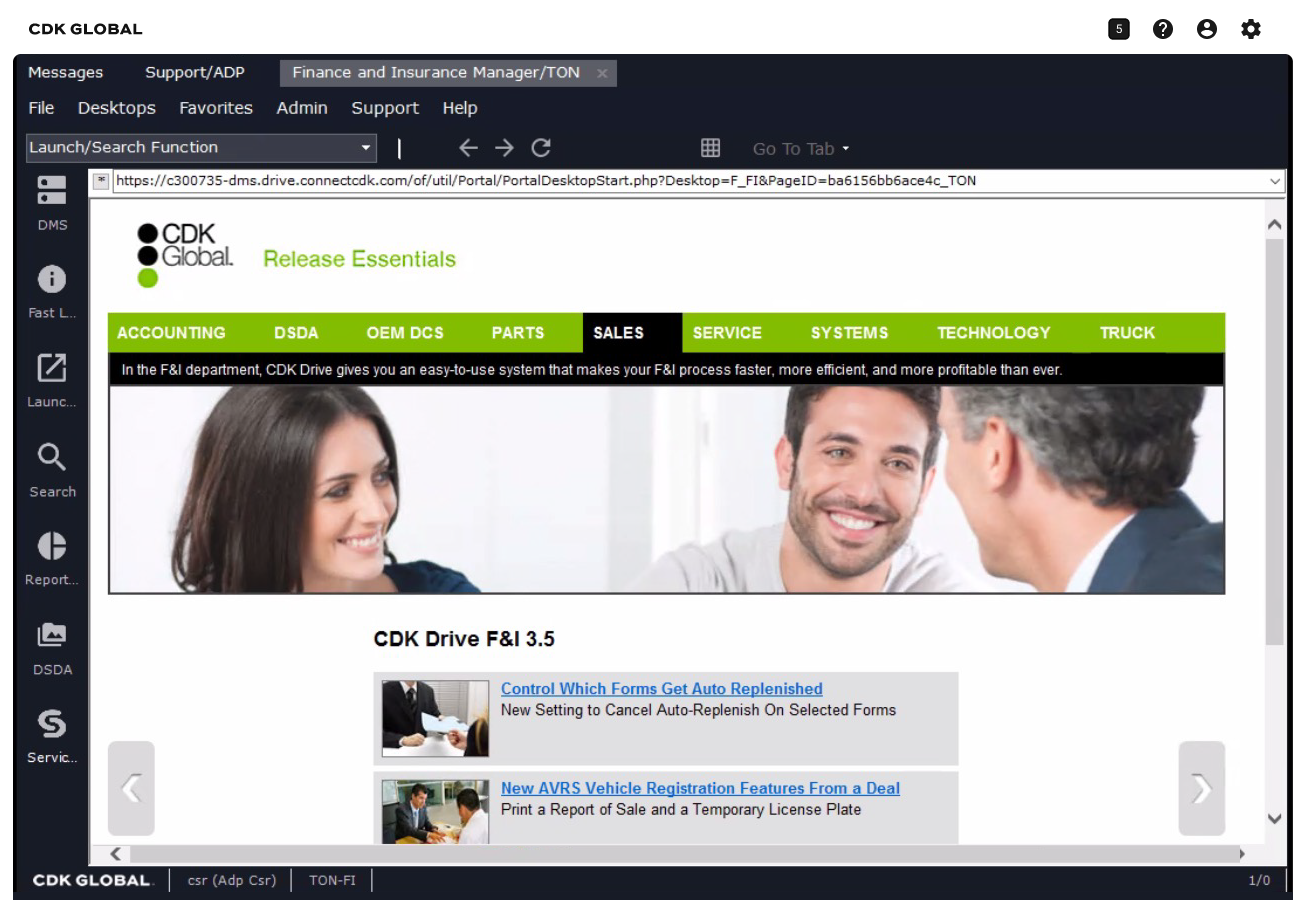
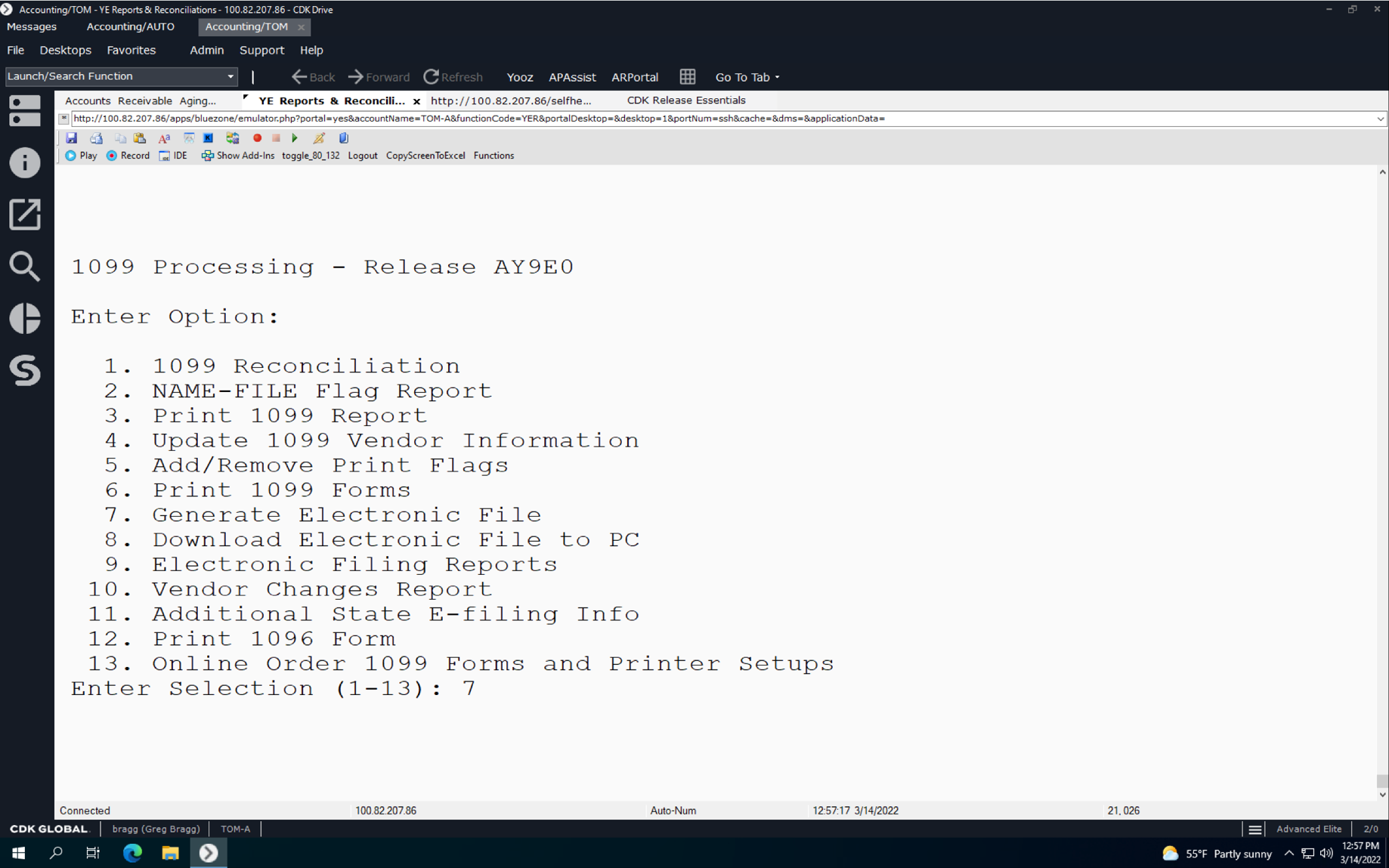
Legacy green-screen interface
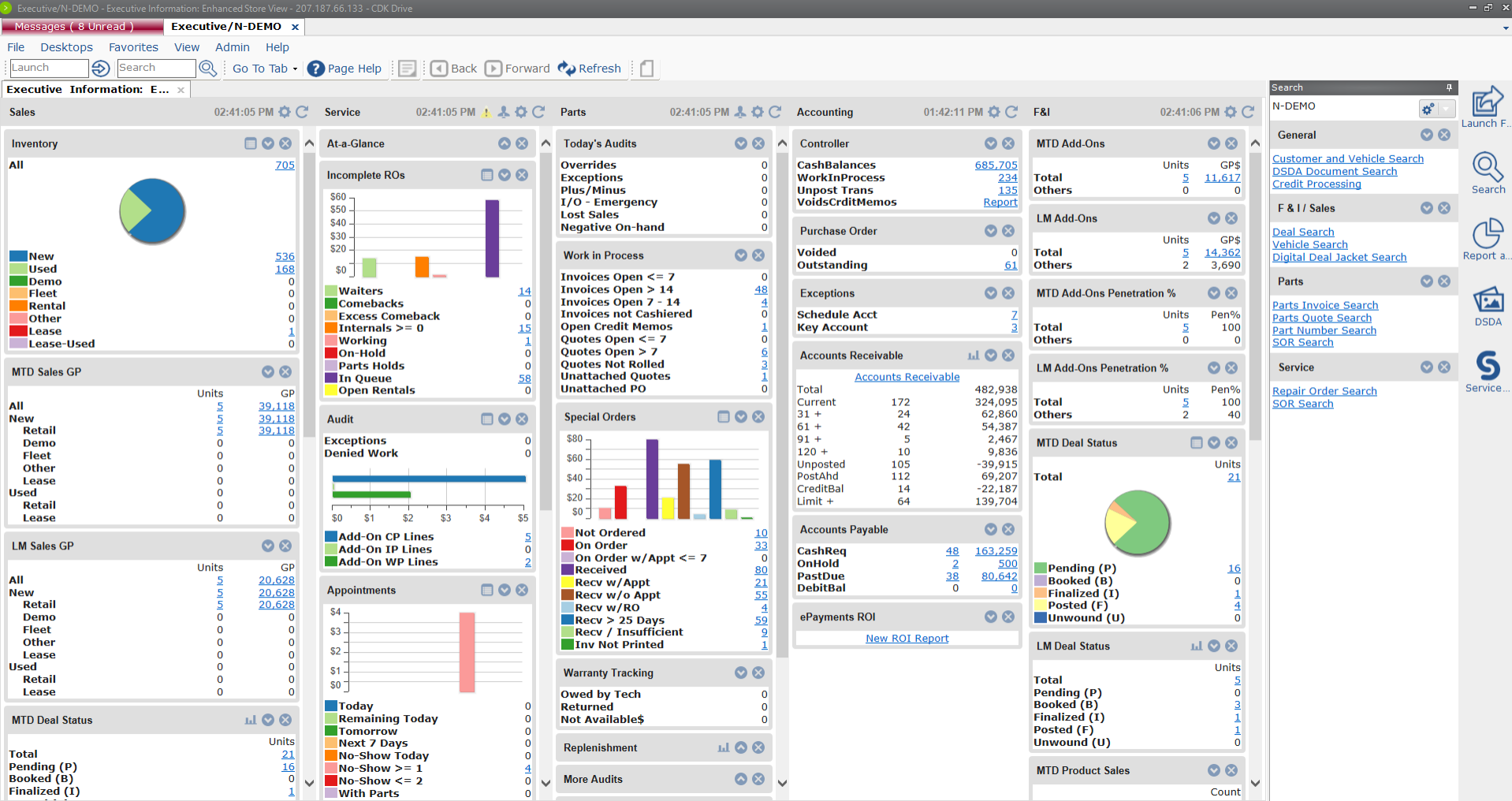
Outdated dashboard design
Complex legacy navigation
The obvious answer was a full rebuild. Retire the legacy stack, build a modern unified product from the ground up. But CDK's product suite was massive and deeply embedded in dealership operations. A full rebuild would have taken years, and during that time customers would be waiting for innovation and new features while engineering focused on reconstruction. We couldn't ask 15,000 dealerships to pause their businesses while we rewrote the platform.
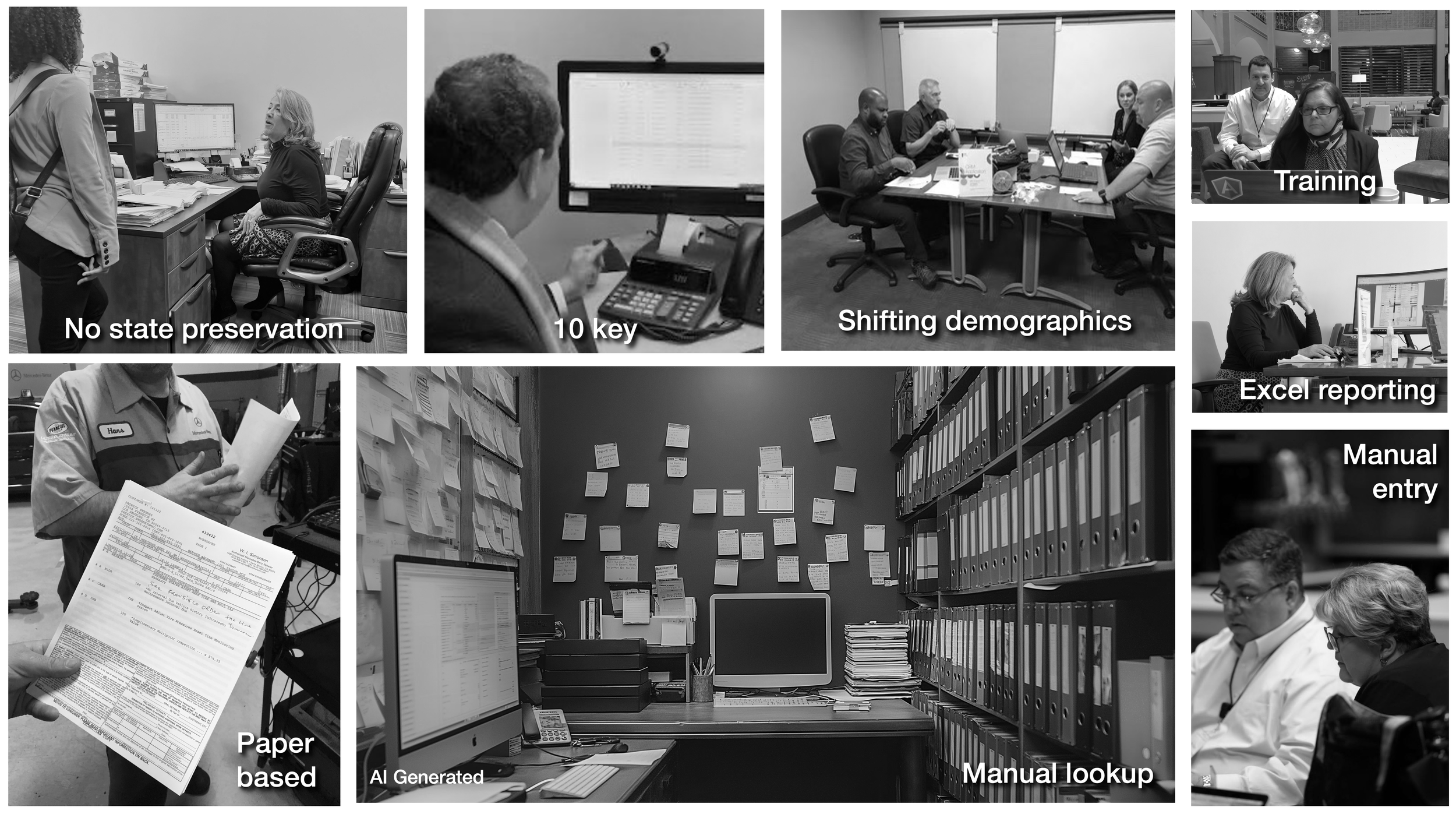
UX discovery documentation
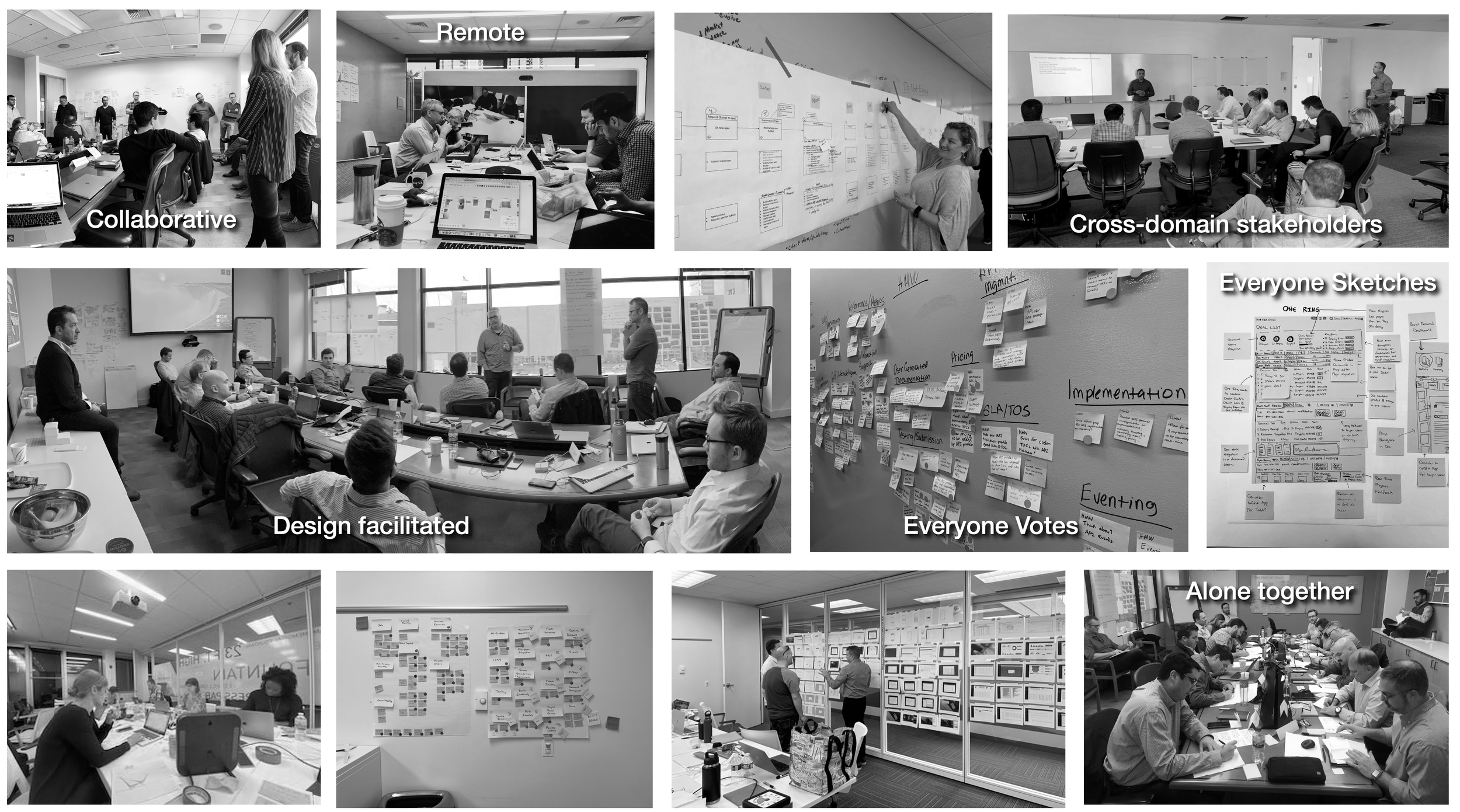
Stakeholder workshop sessions

Design validation and testing
We designed Unify as an interface layer that sat on top of the existing infrastructure. Every CDK application could function within a single modern experience without requiring data migration or backend rewrites. Dealers got one login, one workspace, and one consistent interface. Under the hood, the legacy systems kept running.
The experience included customizable workspaces, single sign-on, light and dark mode, AI-powered customer support, and a fully responsive mobile experience. We also built Drive Flex, which brought the core DMS functionality into the Unify shell, proving that even the oldest and most complex applications could be modernized through the interface layer approach.
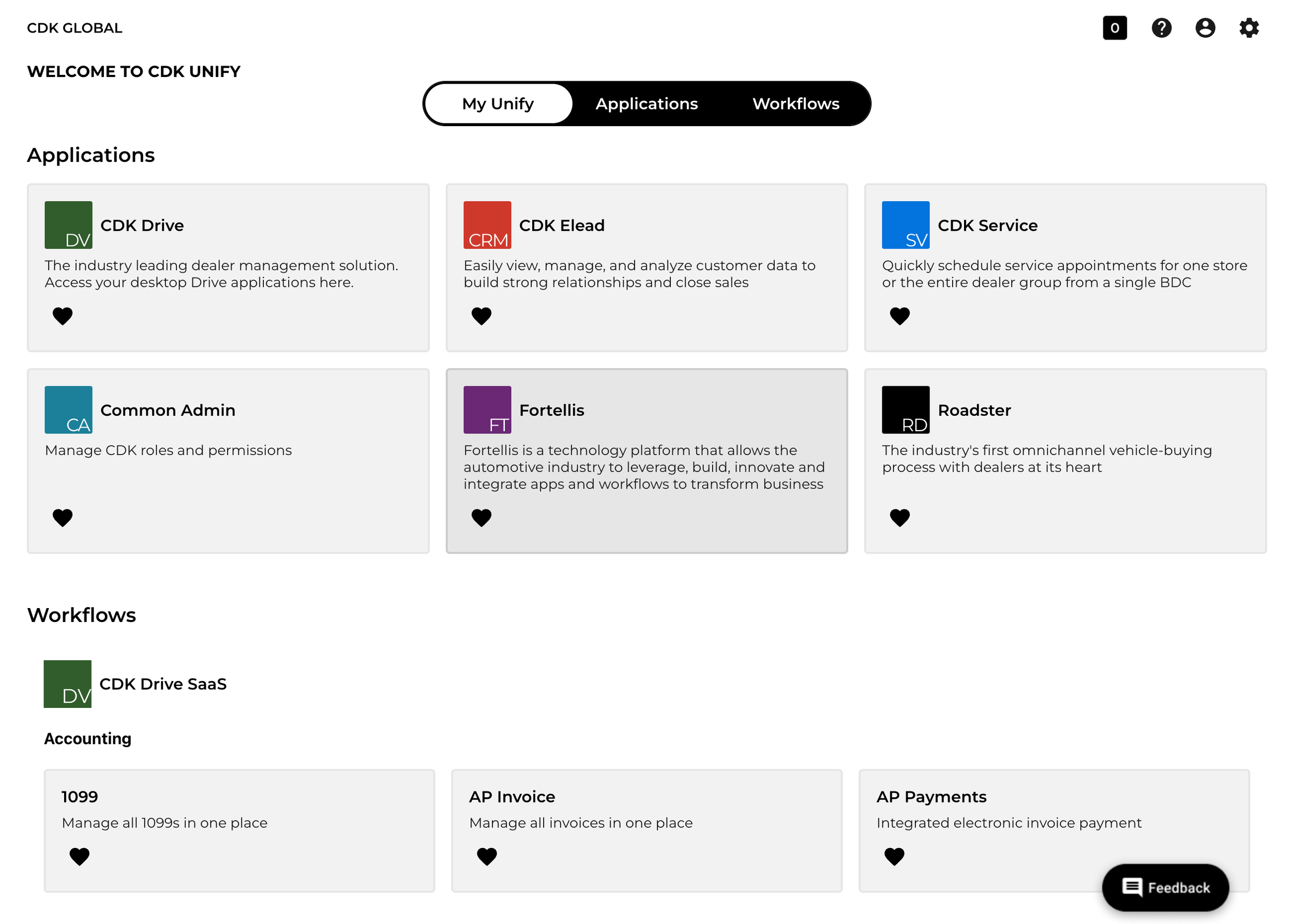
Unify unified workspace interface
Unify platform walkthrough
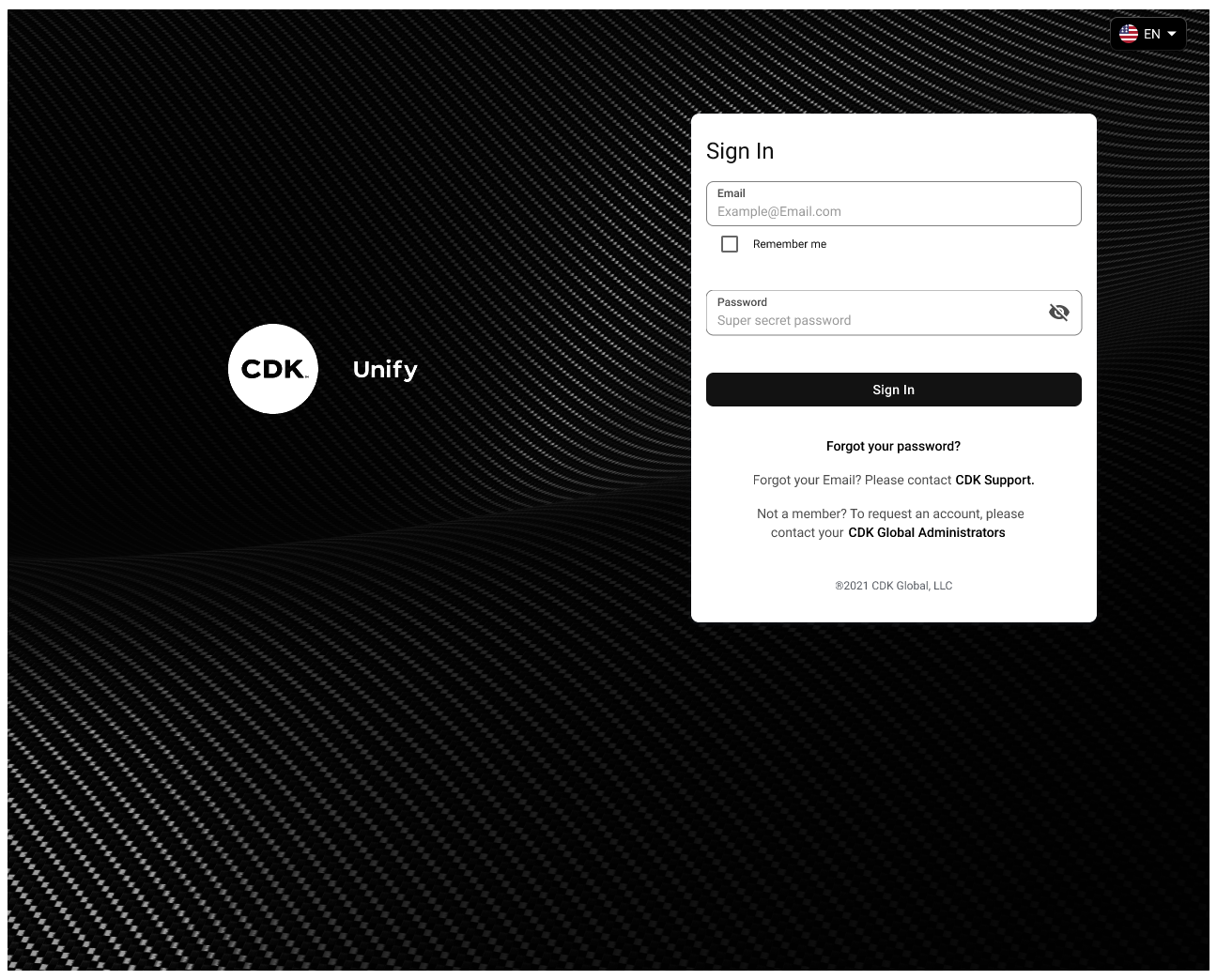
Unified single sign-on experience
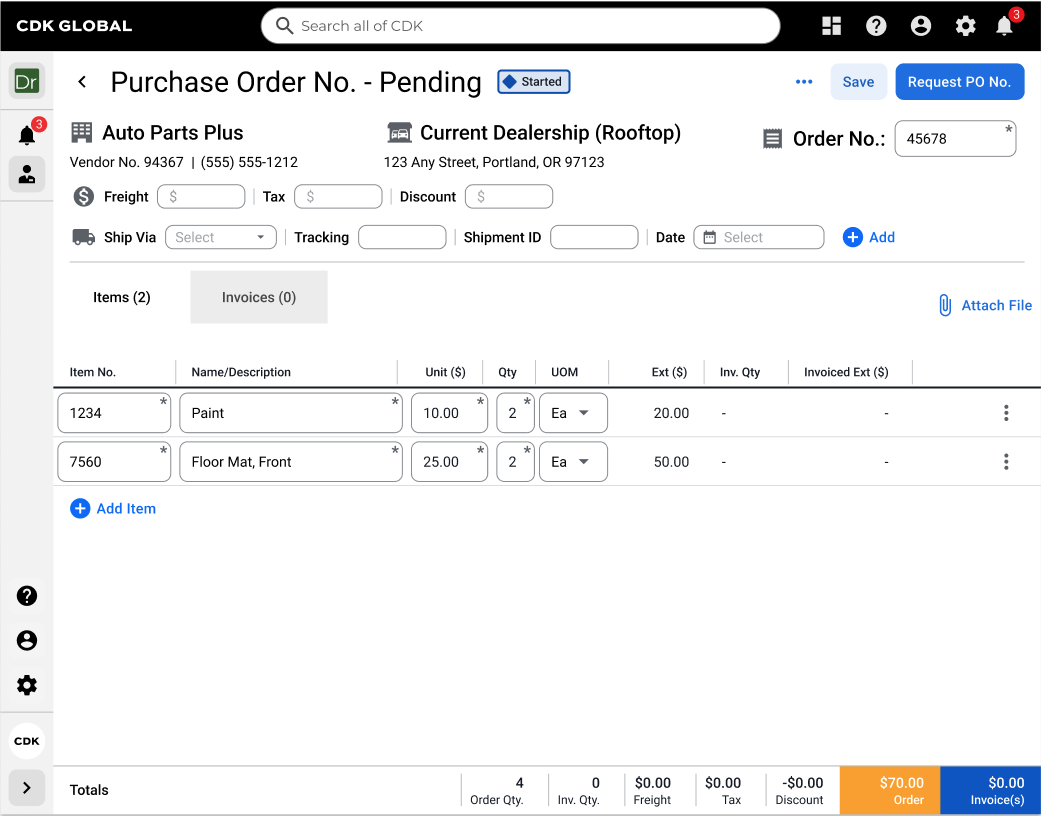
Modern purchase order interface
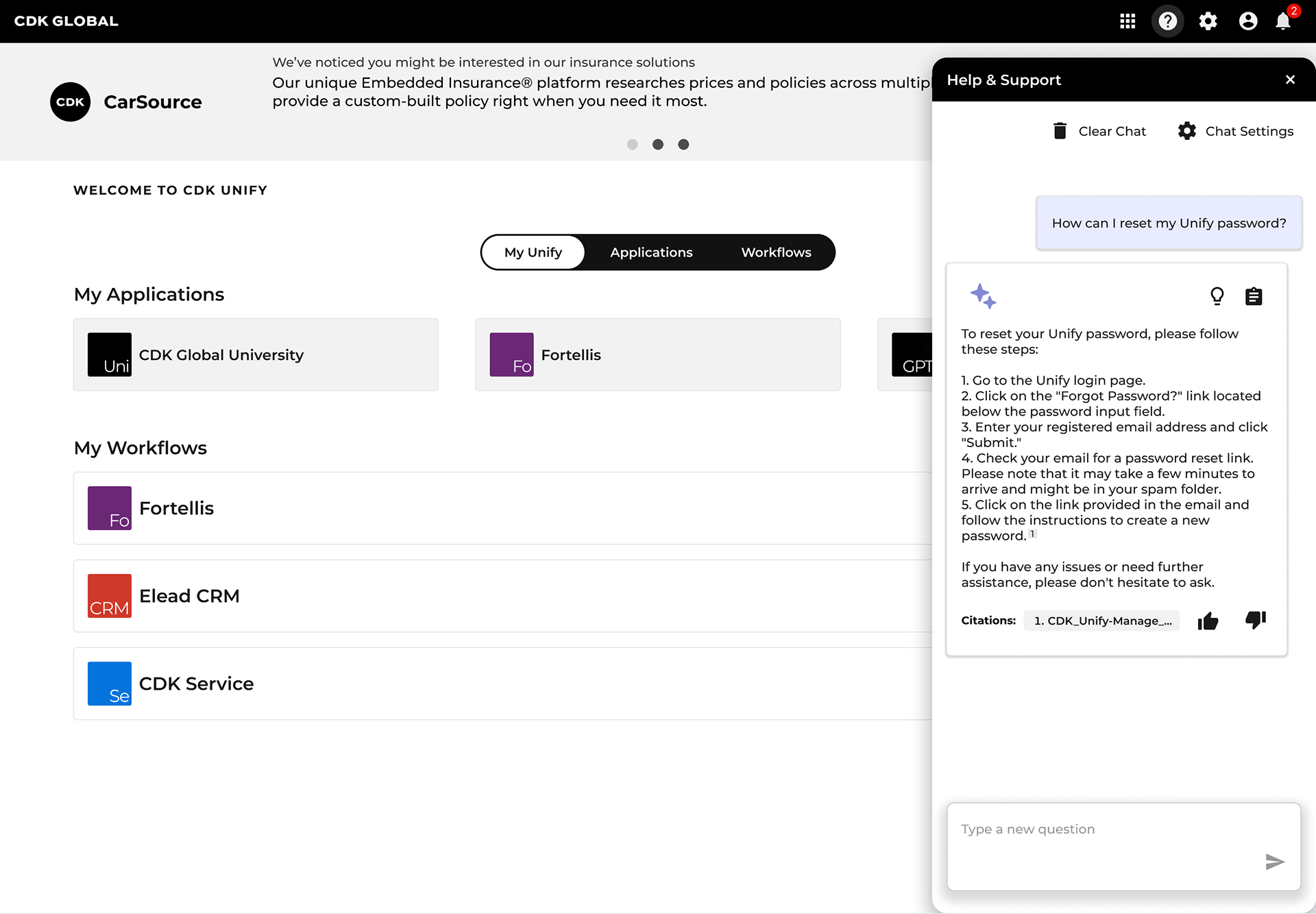
Inline AI-powered assistance
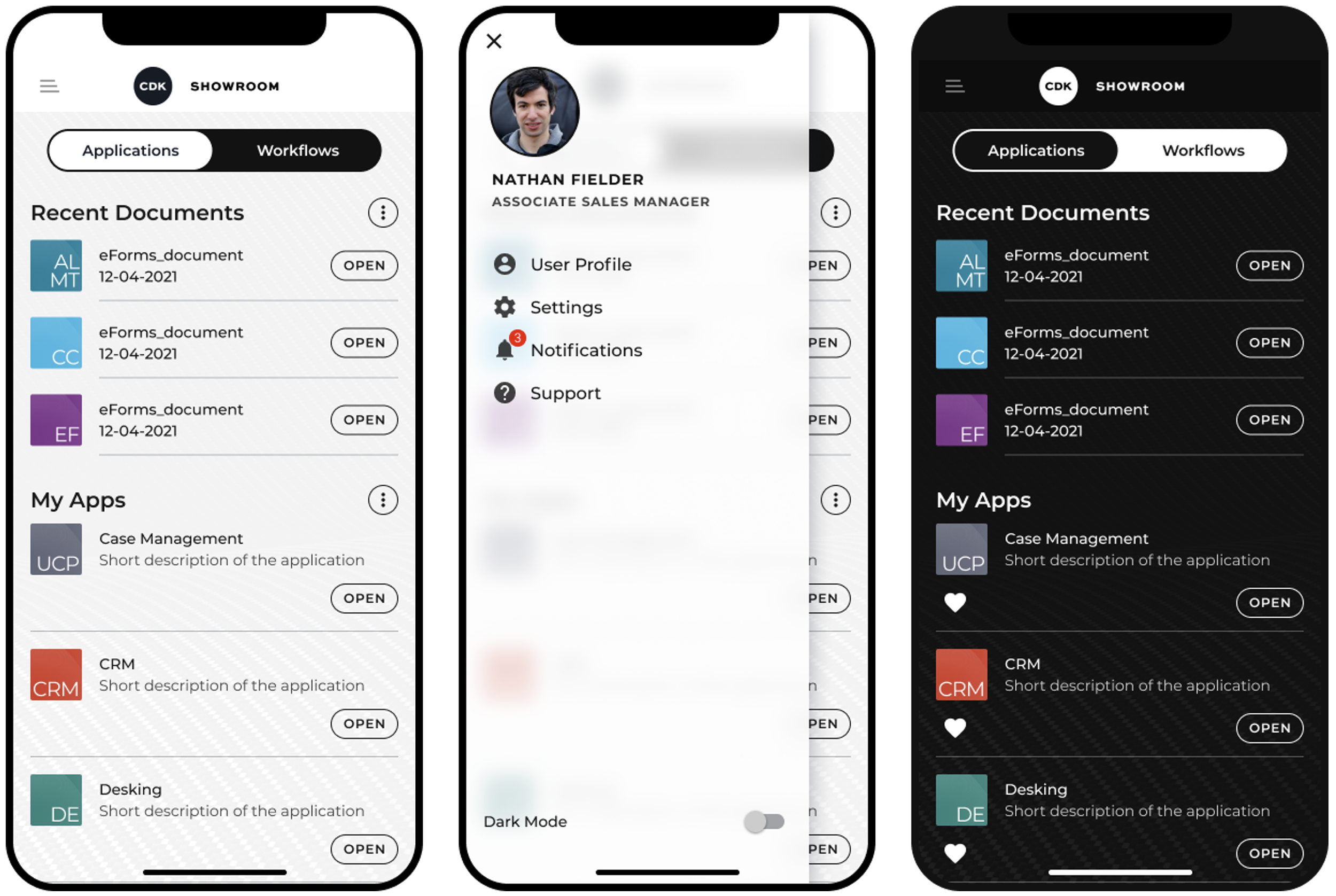
Fully responsive mobile experience
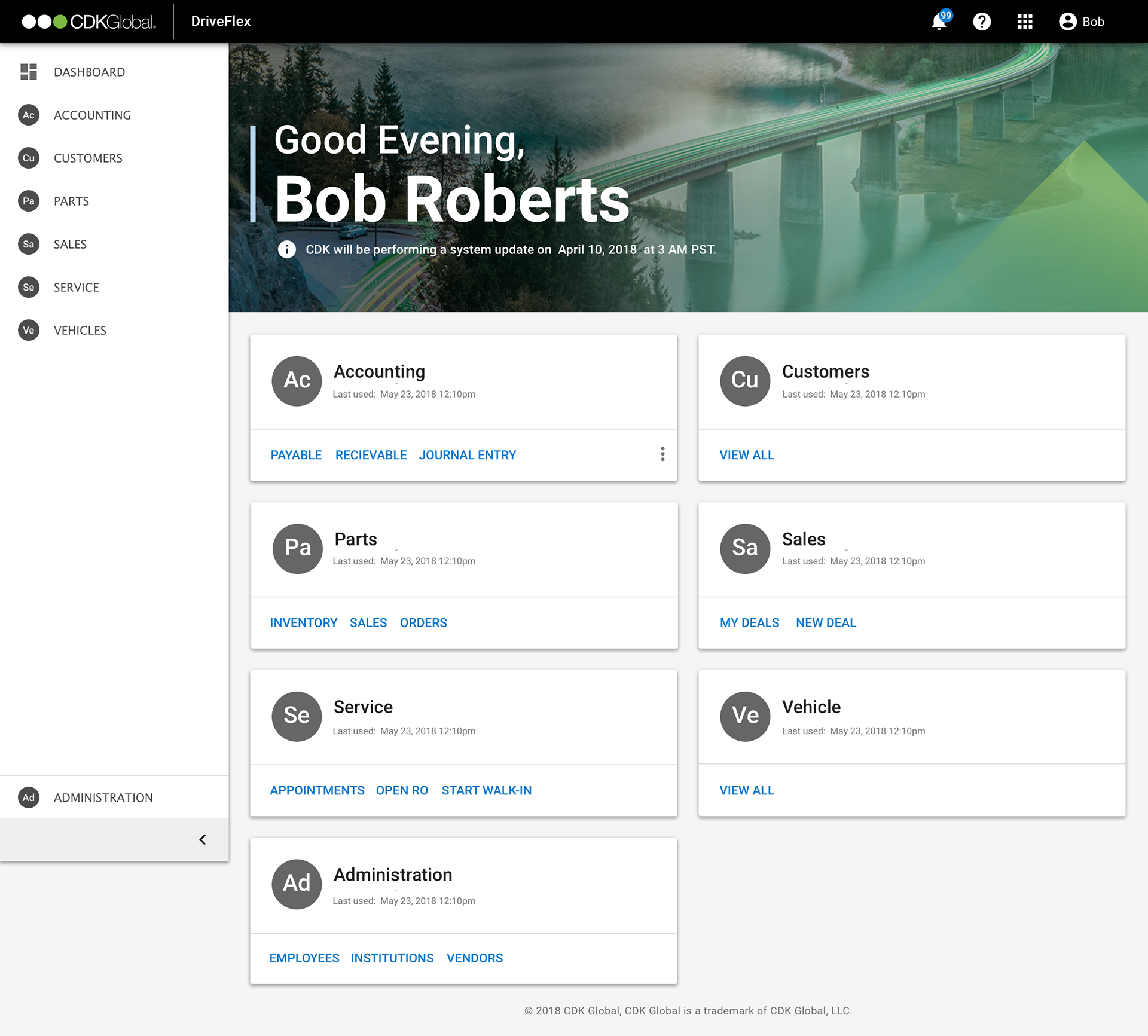
Drive Flex home screen
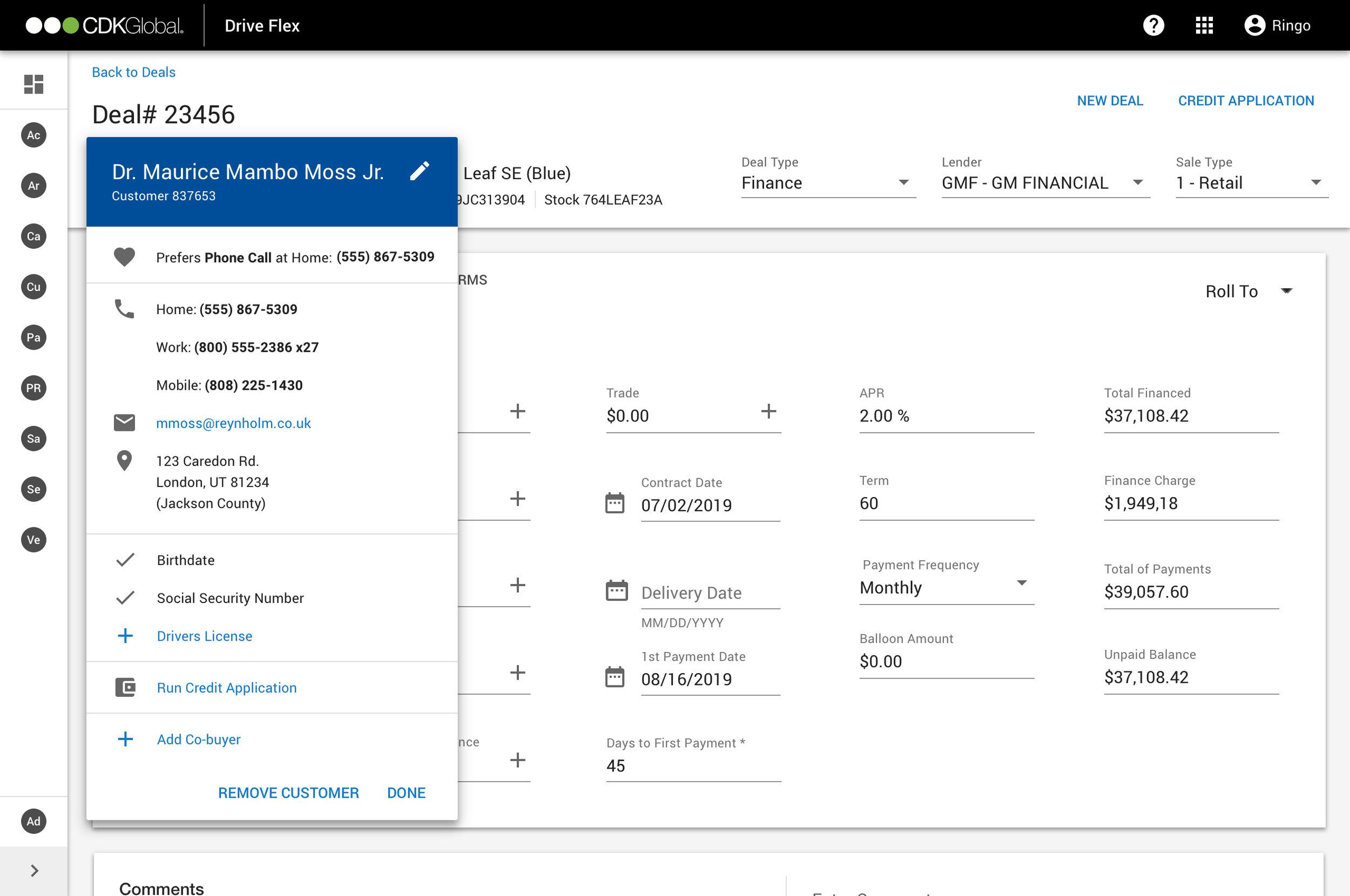
Deal management interface
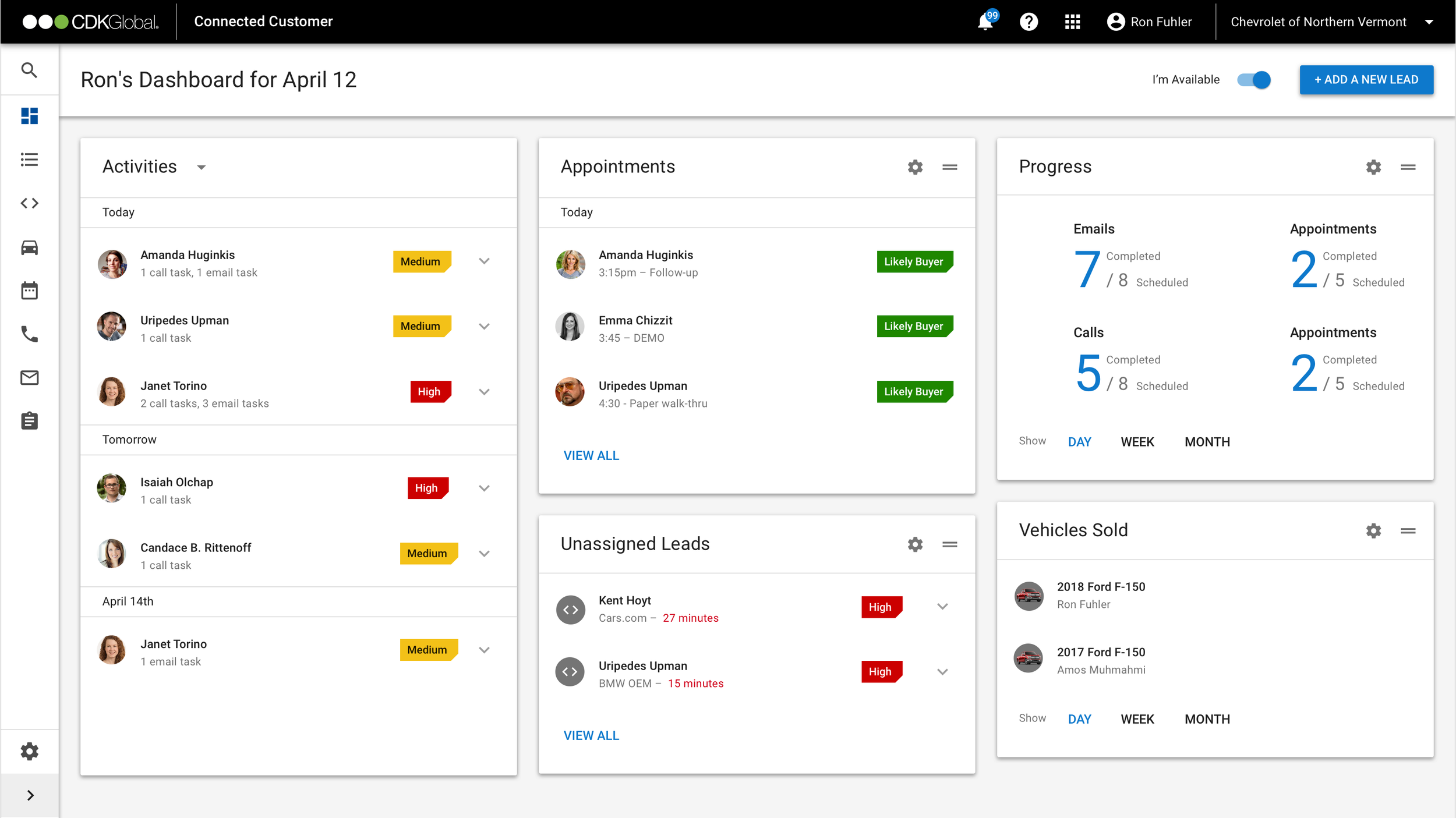
Connected customer view
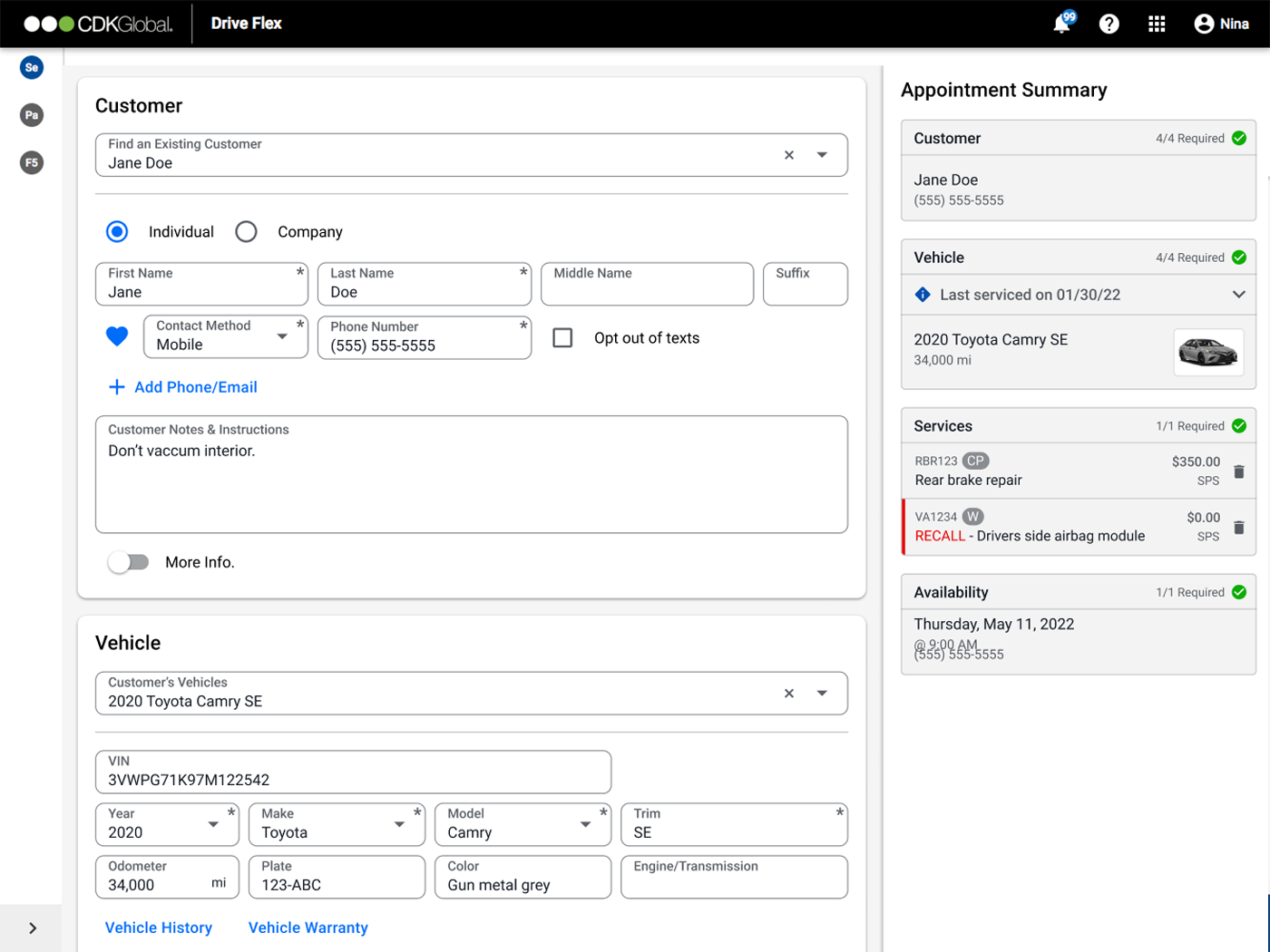
Service record management
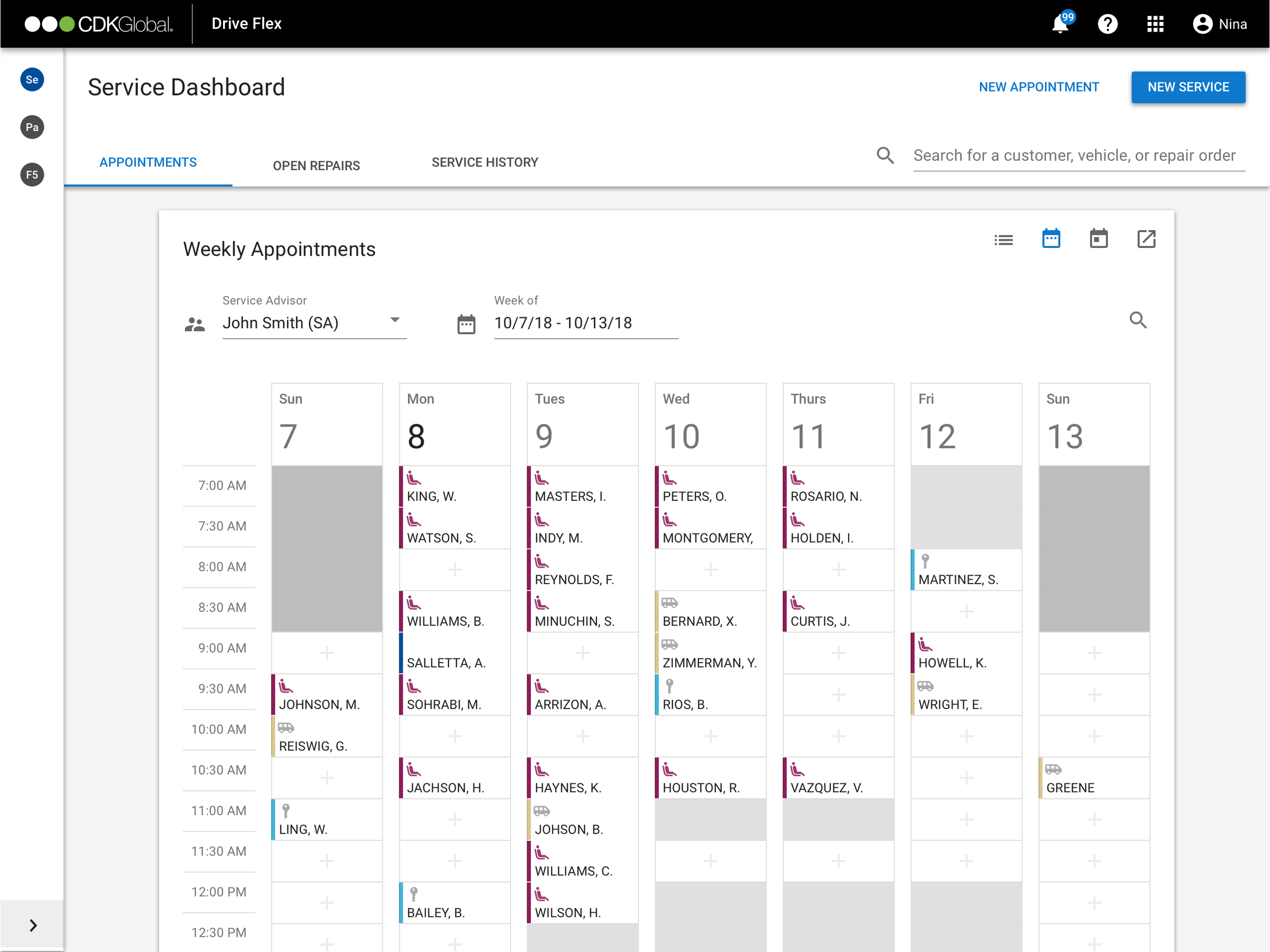
Service department dashboard
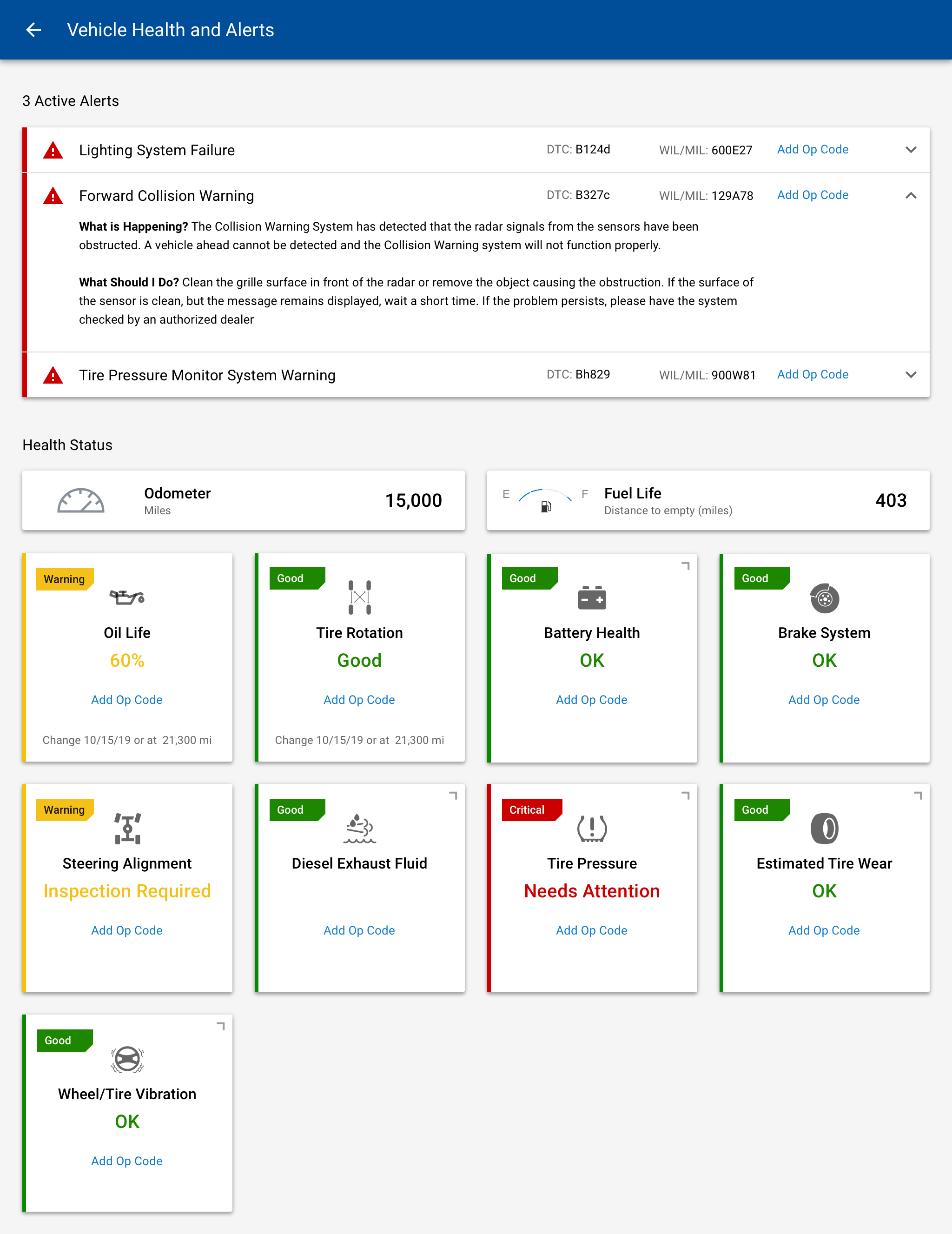
Connected car integration
During the beta period, 96% of dealers who were given access actively used it. That wasn't a forced migration metric. That was organic adoption. People who had the option to keep using the old tools chose Unify instead. Going into general availability, that number gave us strong confidence that the approach was right: meet customers where they are, don't make them wait, and let the experience layer do the heavy lifting.