Two purpose-built design systems that replaced a failing Material Design fork, doubled development speed, and cut defects by 50%.
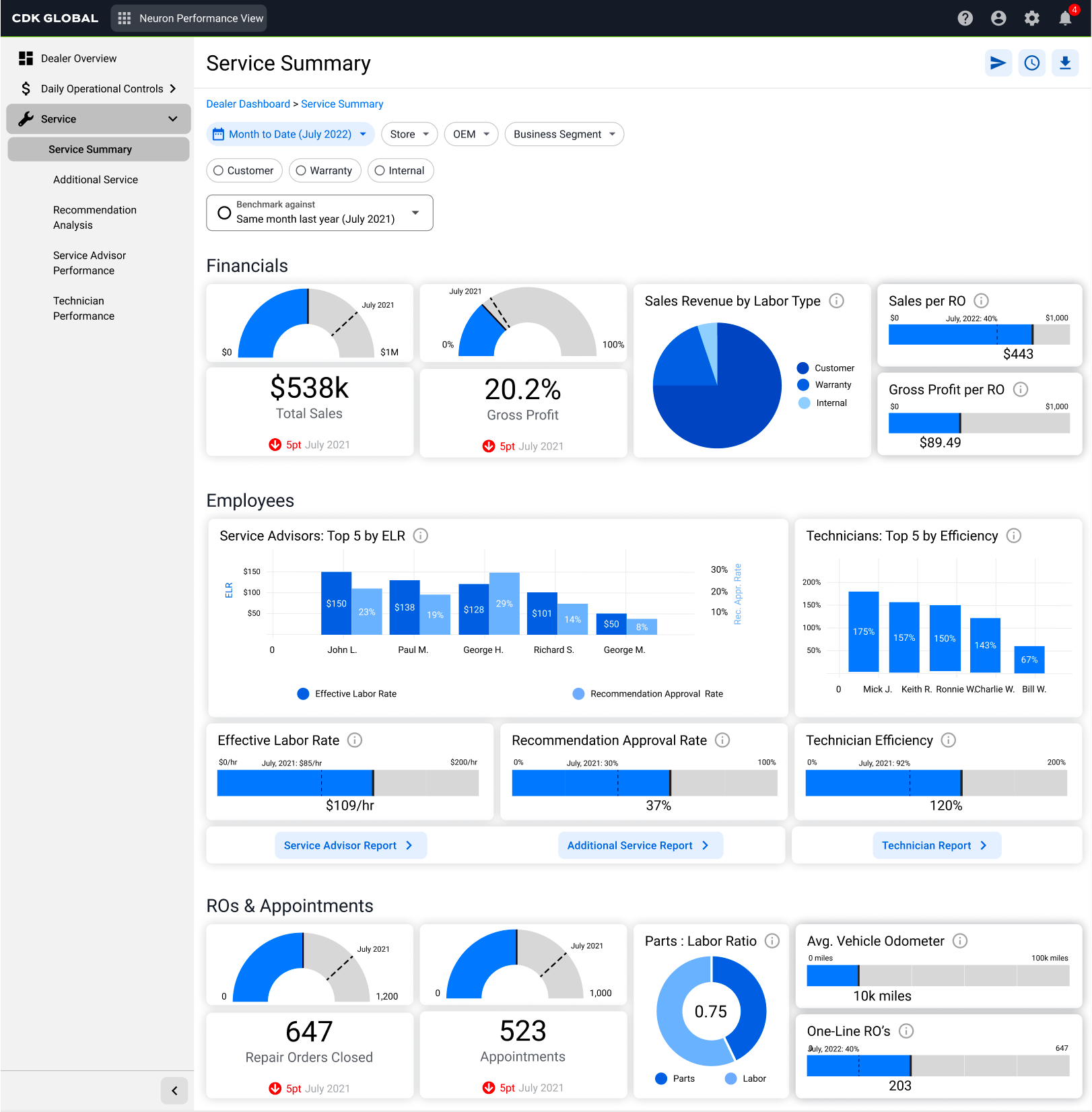
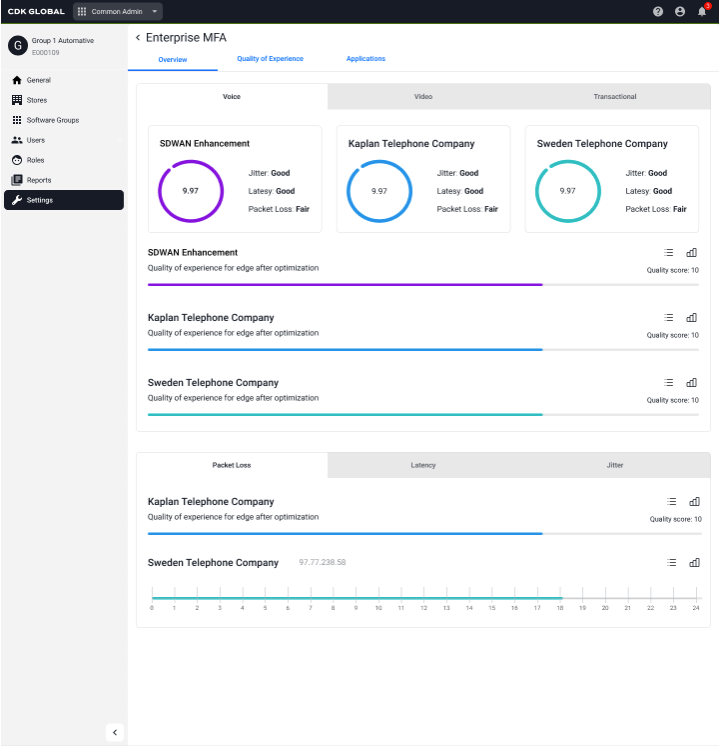
CDK Global had adopted Material Design as the foundation for its product suite. On paper, it was a reasonable choice. In practice, it was a poor fit. Material Design was optimized for Android mobile-first experiences. CDK's products were high-density enterprise applications for the automotive industry, requiring complex data tables, dense information displays, and sophisticated data visualization. The fork couldn't scale to meet those needs. Designers were working around the system instead of with it, and developers were building custom overrides for nearly every complex component.
Engineering teams were shipping slower than expected, and the root cause kept tracing back to the design system. Components didn't exist for common enterprise patterns, so developers were building one-offs. Design inconsistency was spreading across products. Every team was solving the same problems differently because the shared foundation wasn't actually shared. It was a collection of workarounds wearing a Material Design skin.
Radial design system component overview
Interactive component documentation
We evaluated existing design systems on the market, including models like IBM's Carbon and Salesforce's Lightning. But the systems available at the time were purpose-built for their own ecosystems and use cases. Automotive enterprise software has specific demands: dealer management workflows, parts inventory tables, financial reporting dashboards, and multi-role interfaces that none of the off-the-shelf systems addressed. We needed something tailored to the domain.
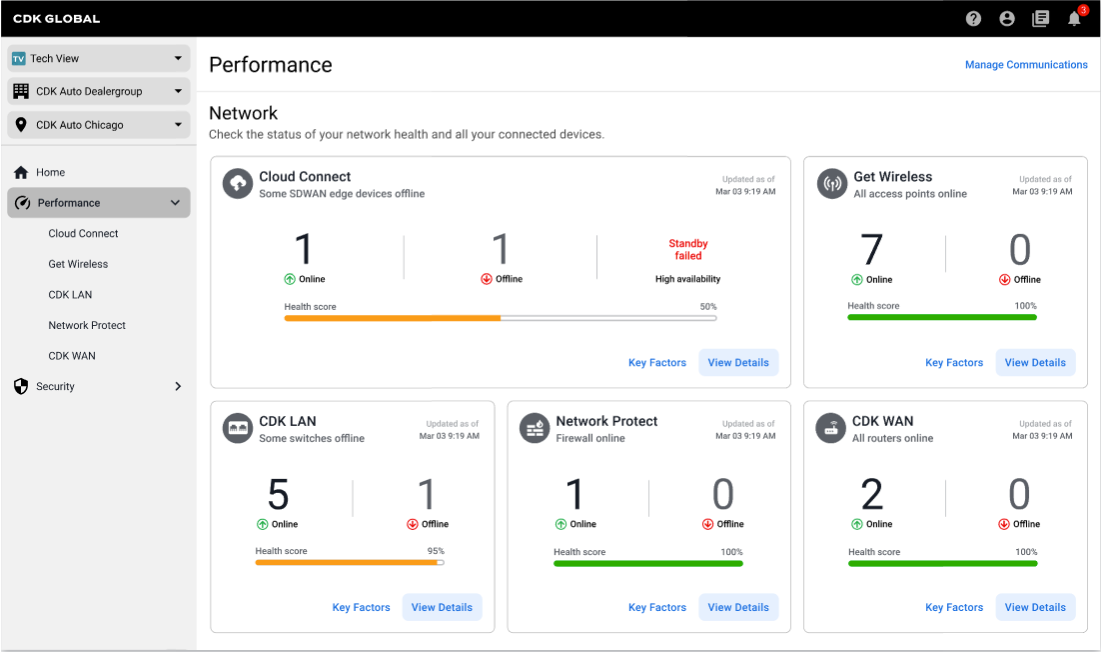
We built two design systems from the ground up. Radial was the enterprise system, purpose-built for CDK's core products. It handled data visualization, information density, table manipulation, and complex form patterns that Material Design couldn't support. We shipped 100+ components with comprehensive Figma libraries, React implementations, Storybook documentation, a developer playground, and design token architecture with CSS standards.
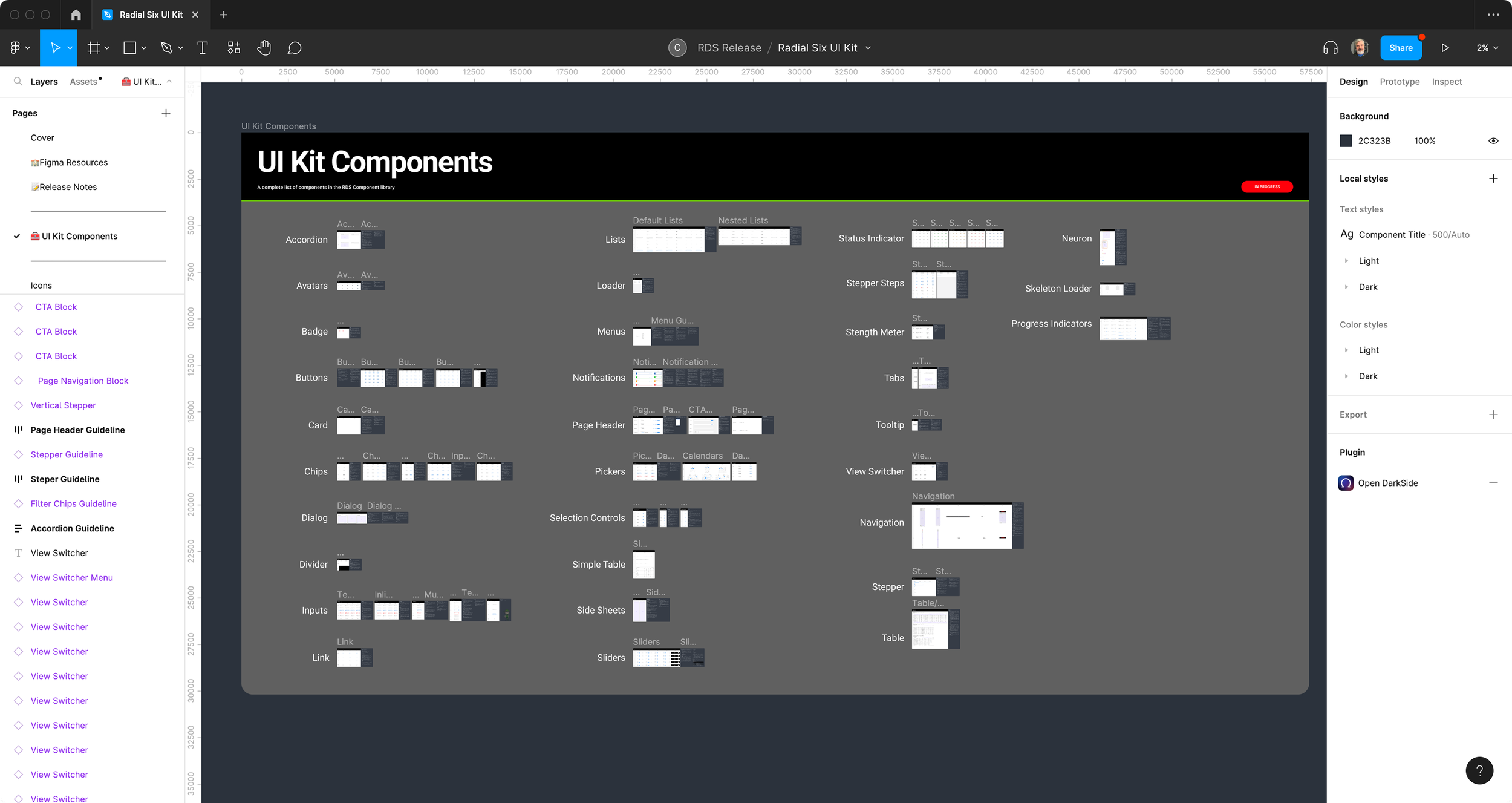
Radial UI kit components in Figma
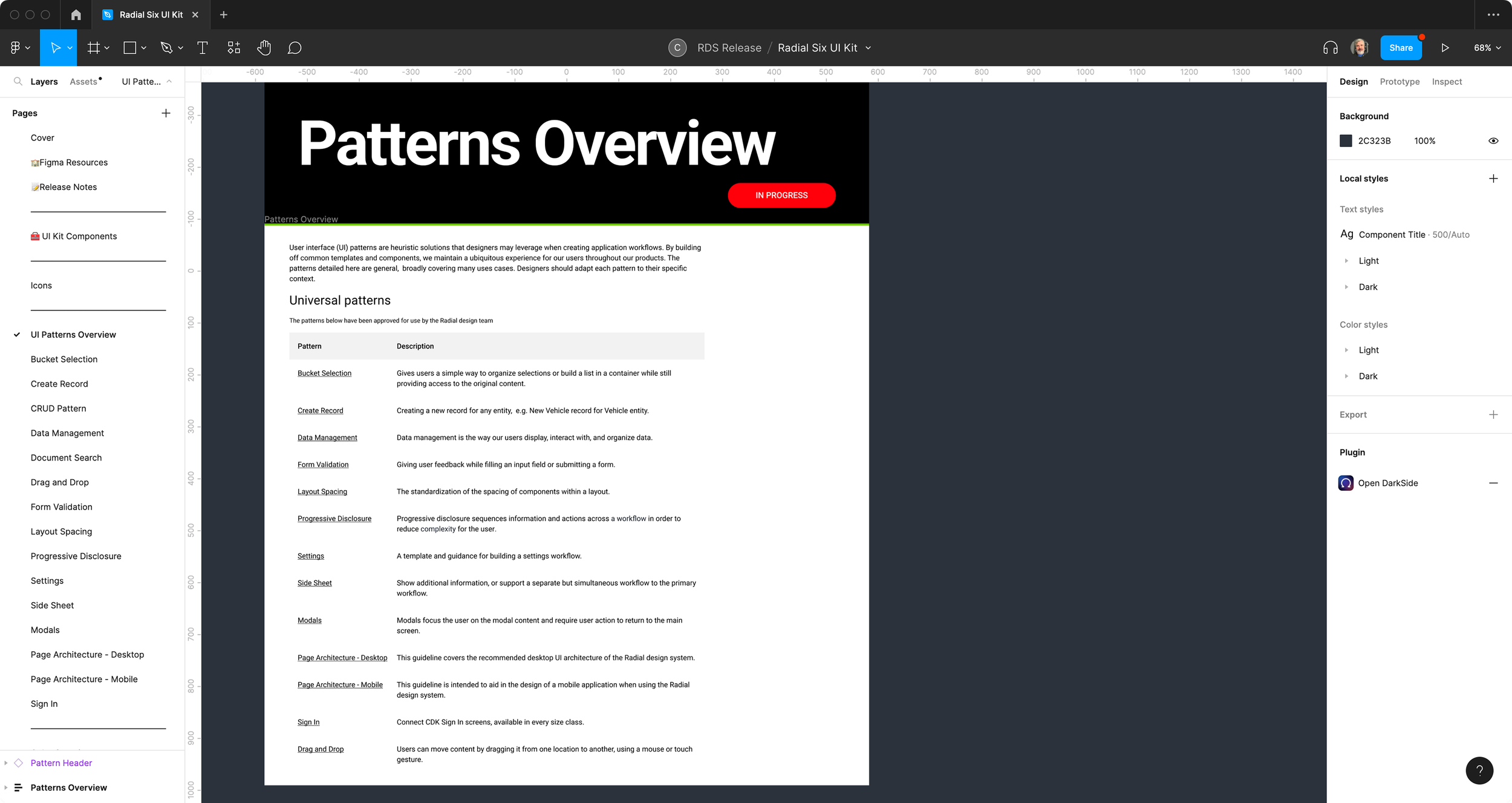
Design pattern documentation
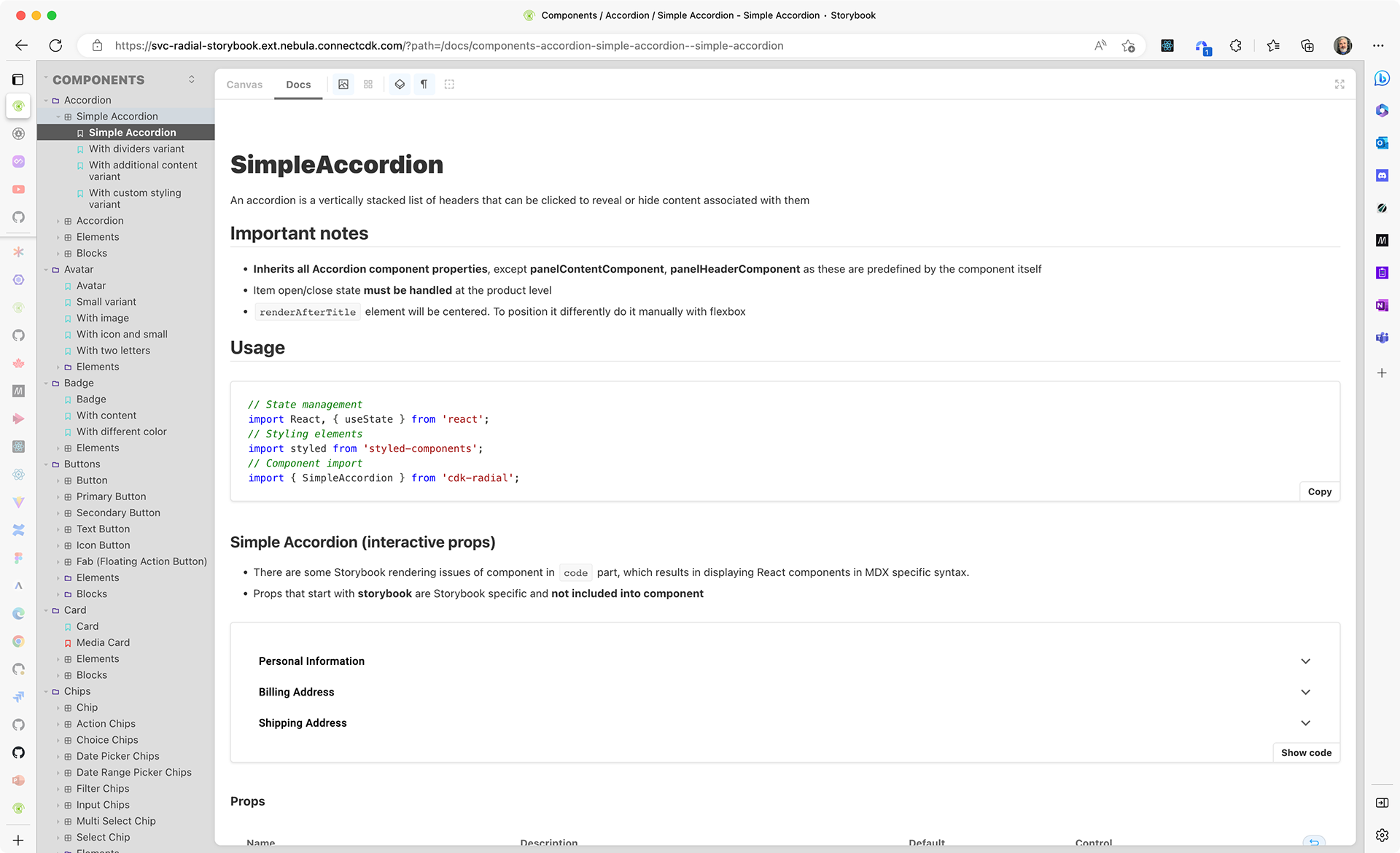
Component API documentation
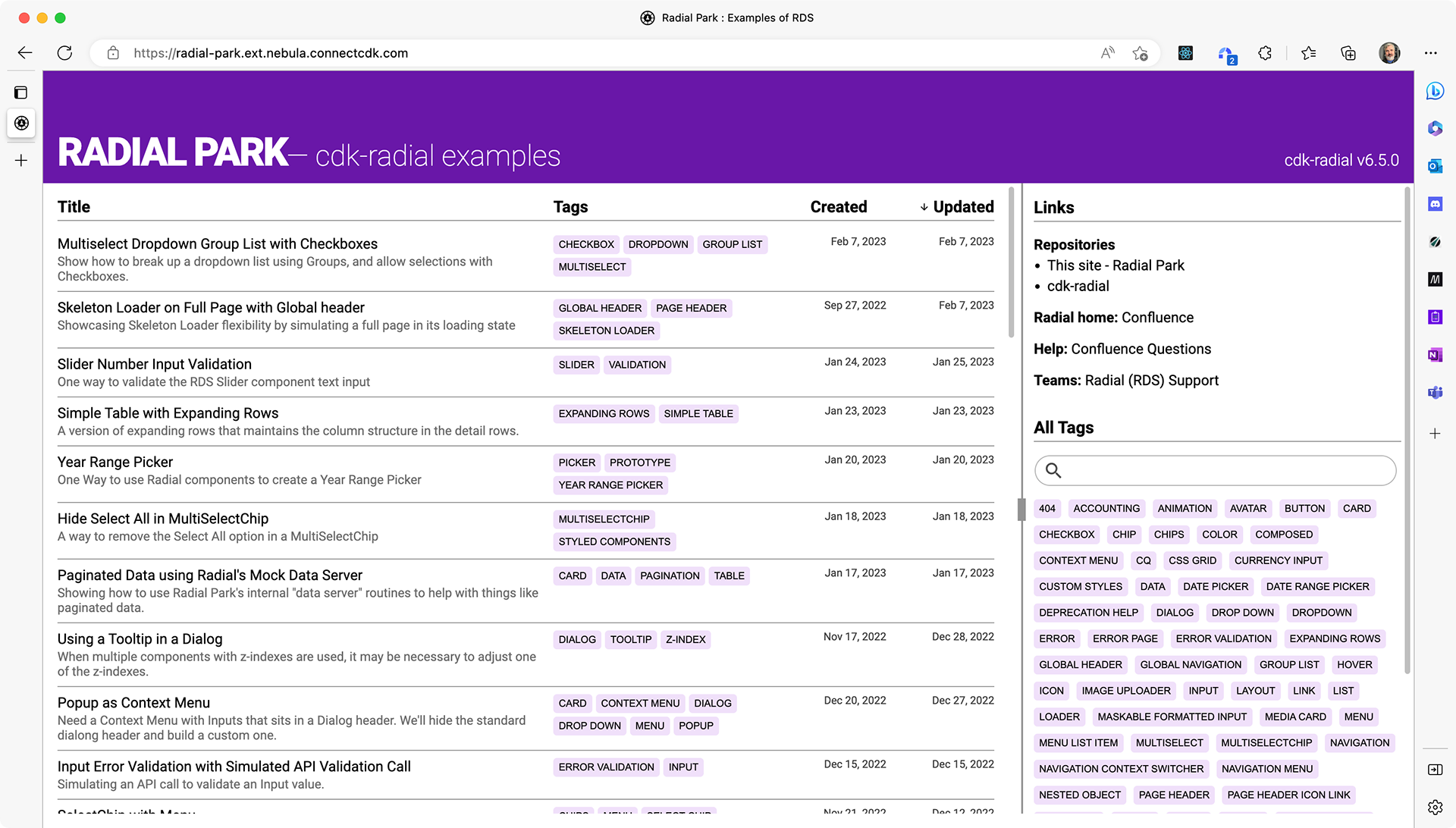
Developer playground and sandbox
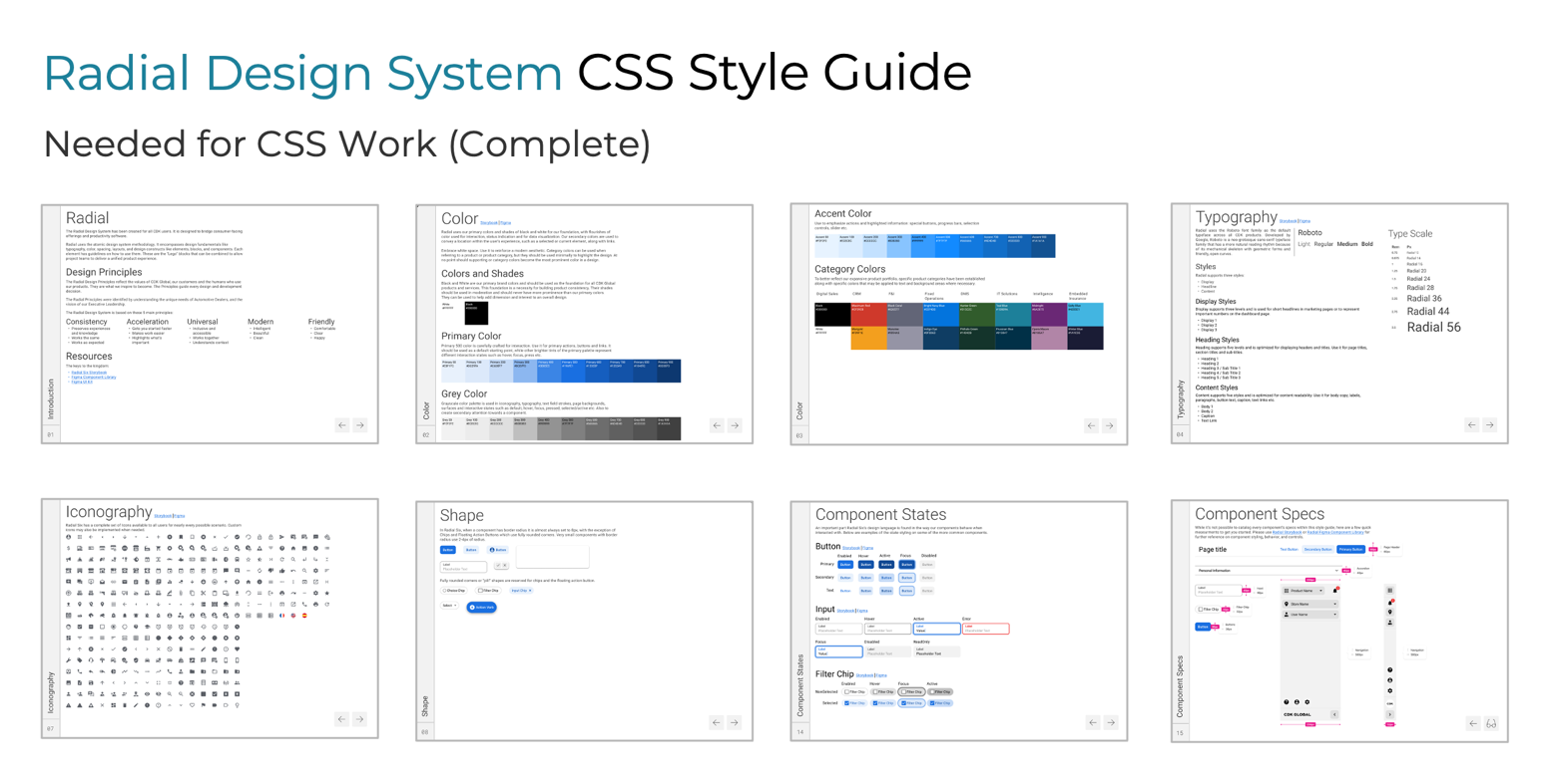
CSS standards and design tokens
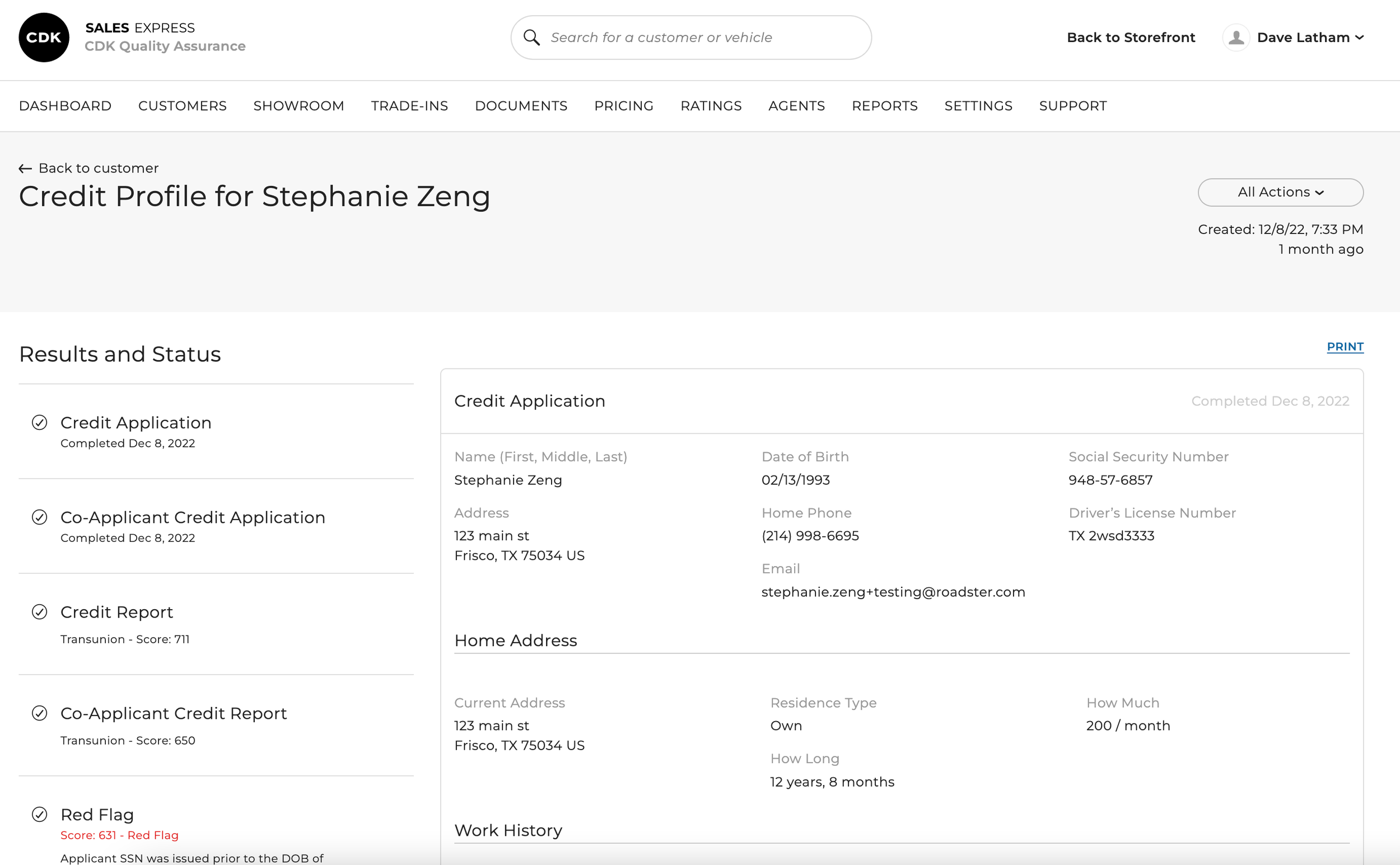
Following CDK's acquisition of Roadster in 2021, we created a companion system optimized for consumer-facing digital retail experiences: online vehicle purchasing, credit applications, and multi-channel sales tools. Both systems were built with white-label capabilities and robust theming, enabling rapid corporate rebranding and partner customization while maintaining cross-product consistency.
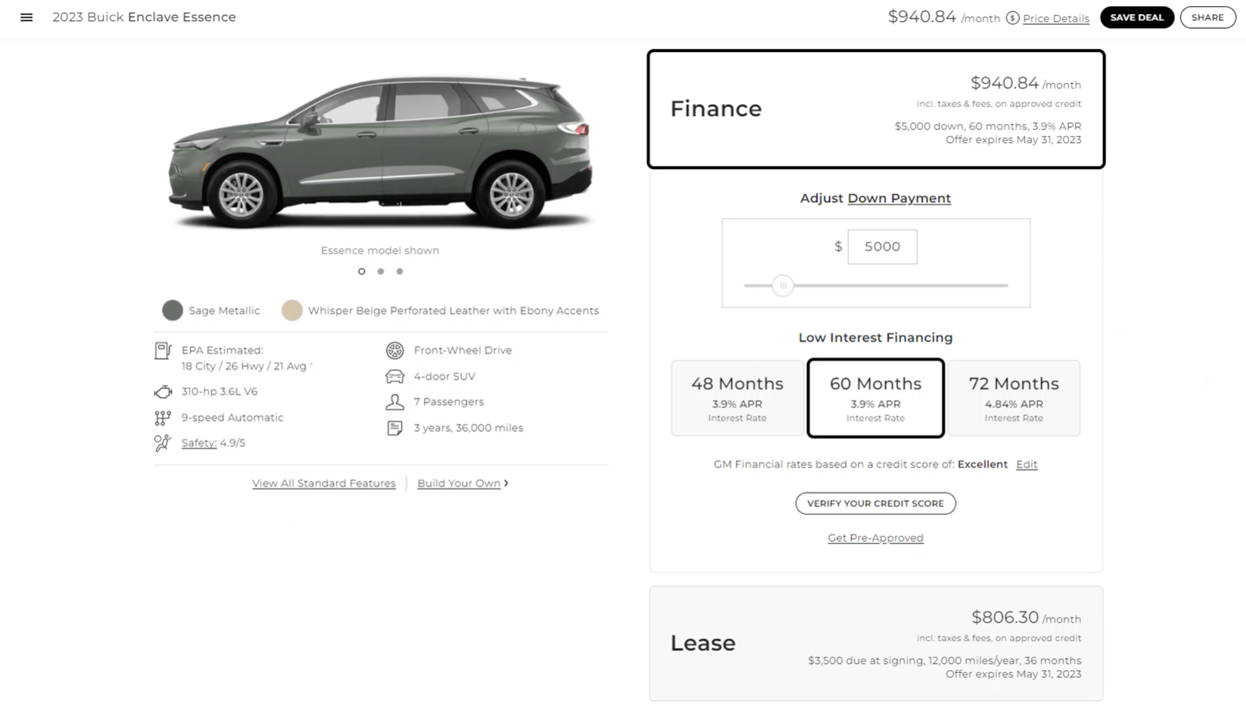
Roadster consumer interface
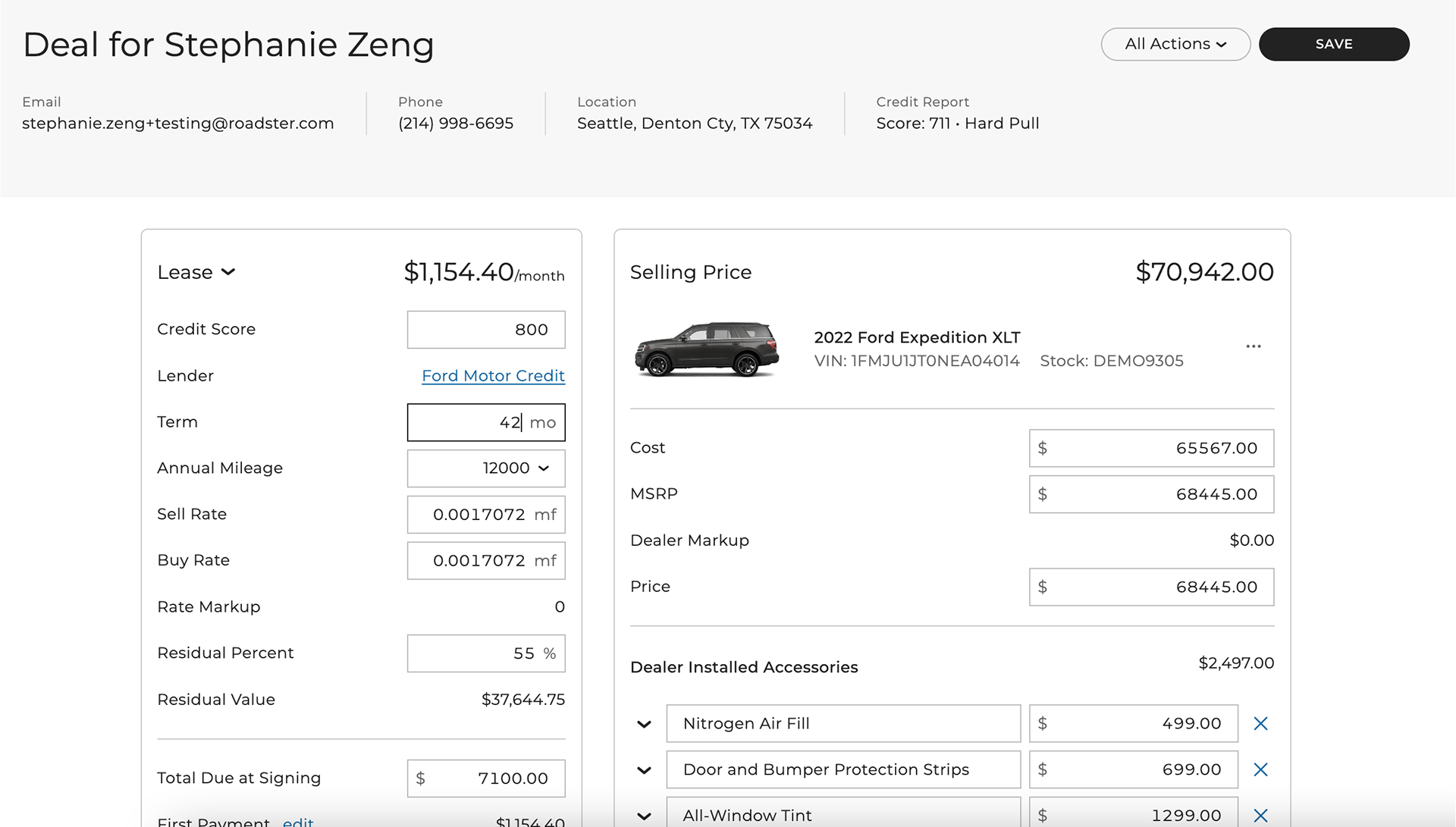
Vehicle deal configuration page
Online purchase flow
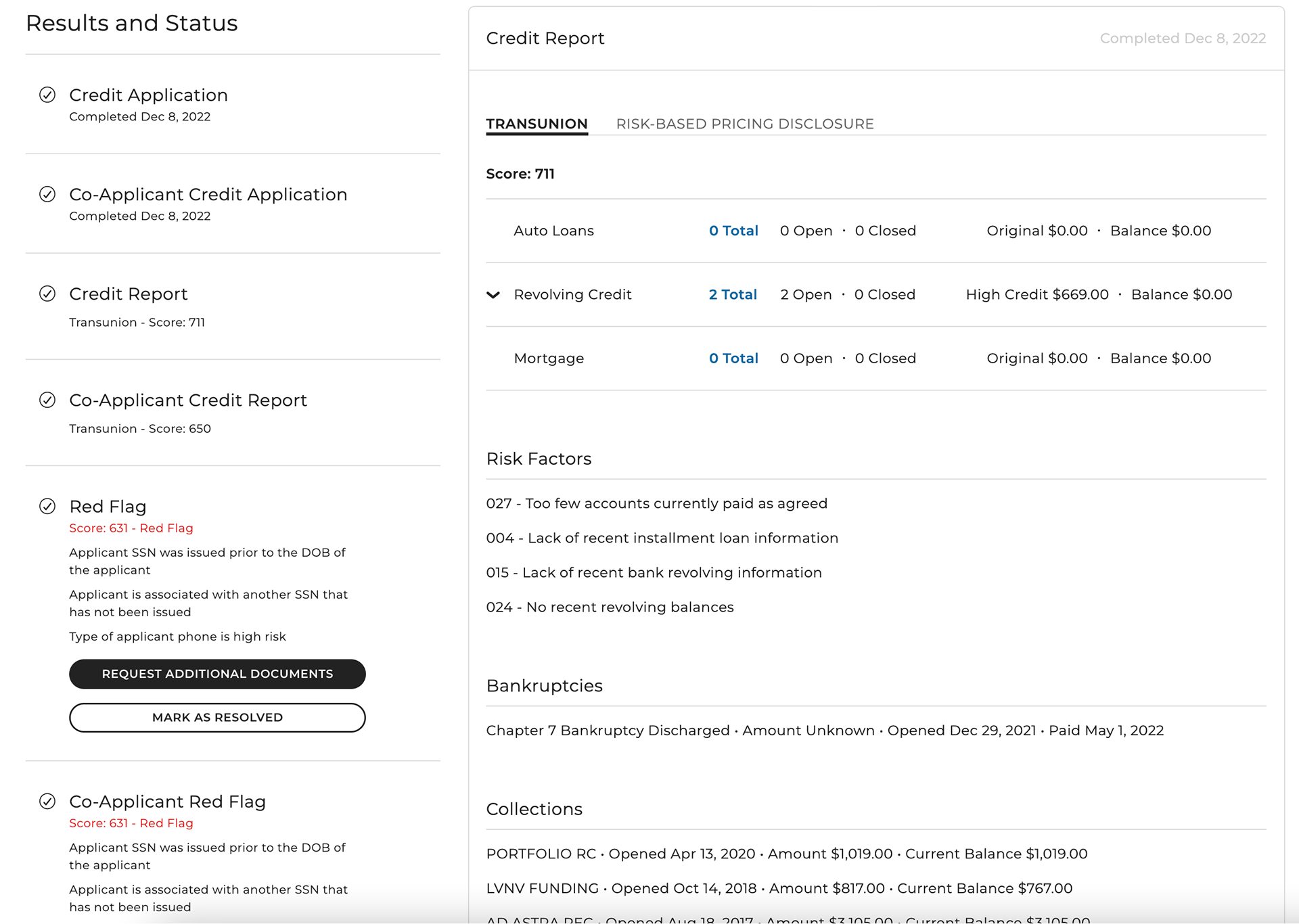
Credit application and reporting
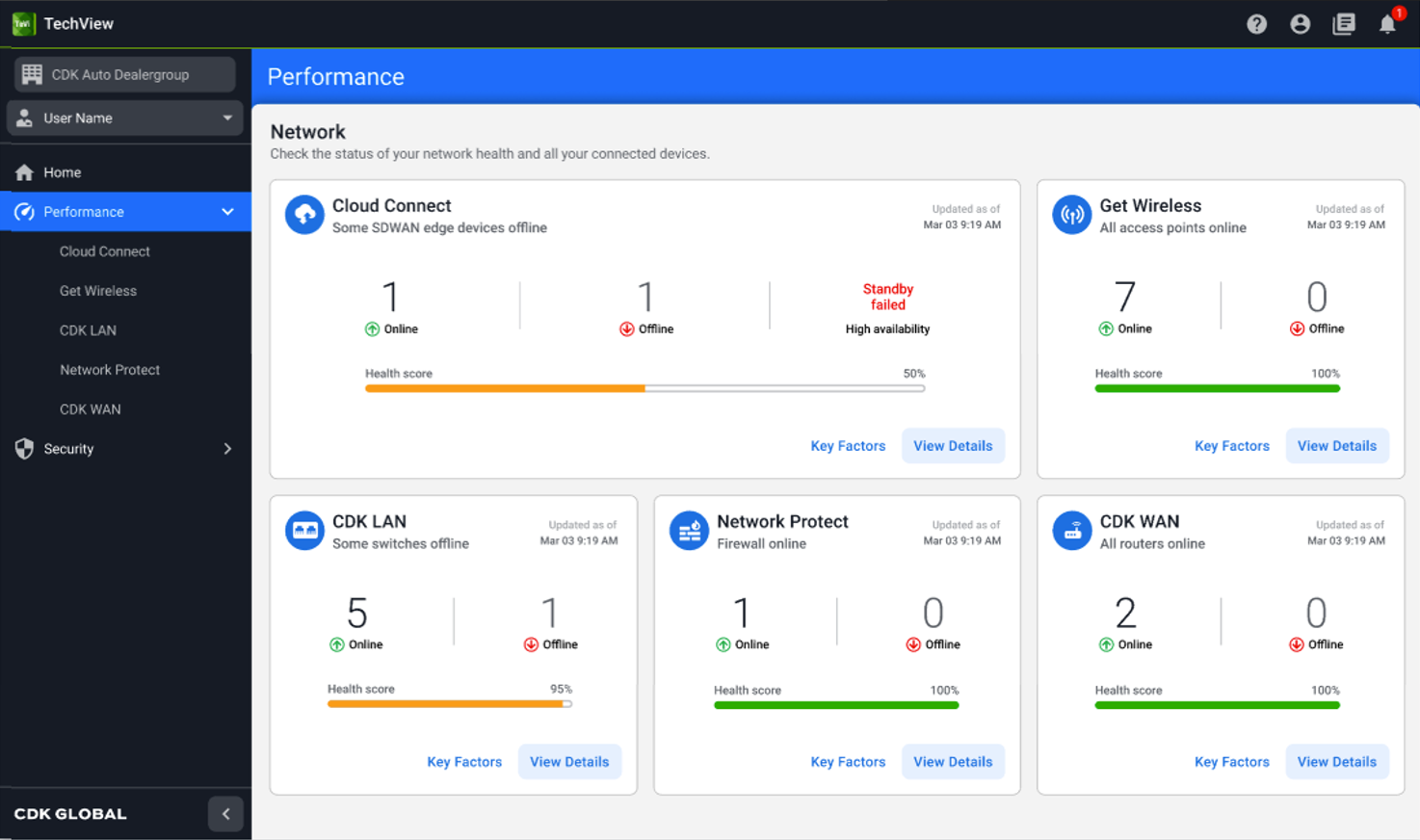
Before: Legacy interface
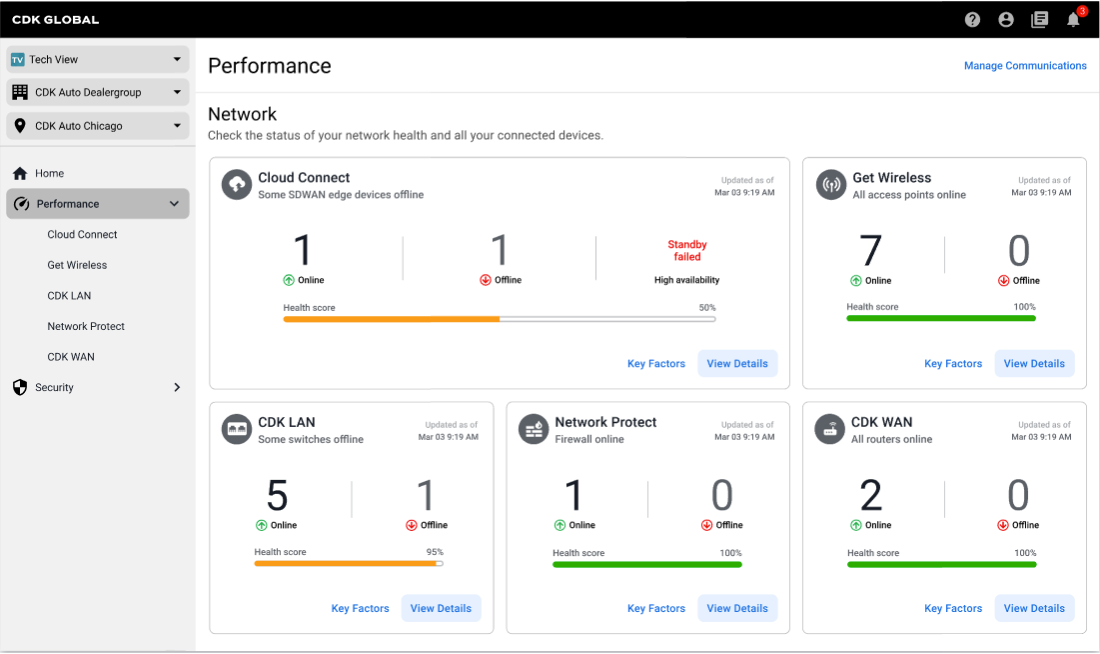
After: Radial design system
We measured engineering delivery velocity and development defect rates in before-and-after scenarios. Development speed doubled. Defects dropped by 50%. Beyond the metrics, the qualitative shift was just as telling: teams stopped building custom components and started shipping features. The design system became the foundation rather than the obstacle.