TL;DR
Rand's enduring lesson: meaning matters more than appearance. His core insight — that what a design signifies is more important than what it looks like — applies directly to modern UX. In an era obsessed with visual trends and surface polish, that remains the hardest principle to actually hold.
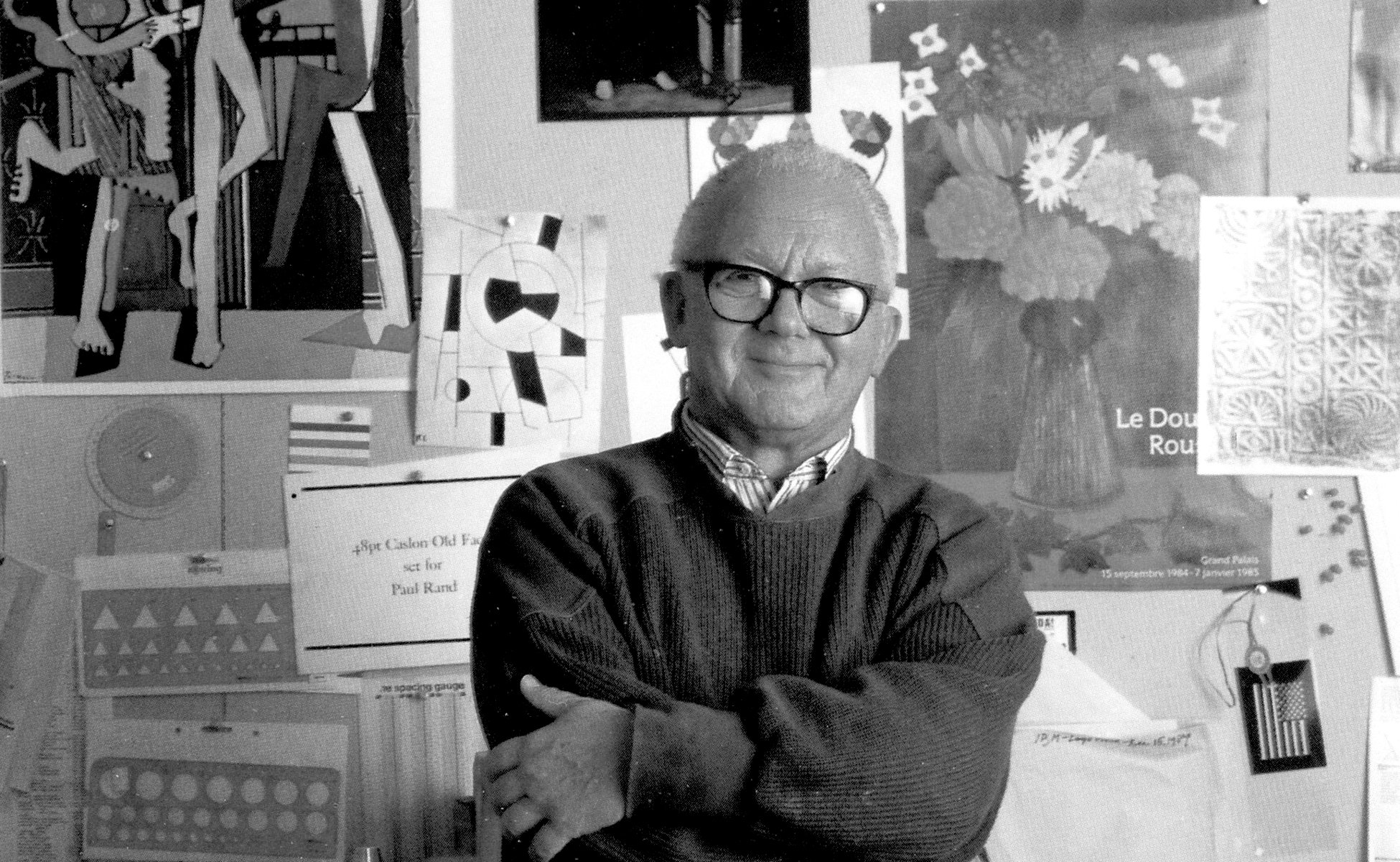
Paul Rand was an iconoclast. He worked alone in his projects, but he was systemic in his processes and didn't just rely on intuition.
"Bad design is frequently the consequence of mindless dabbling; and the difficulty is not confined merely to the design of logos."
, Paul Rand
What struck me about Rand's principles is how they apply equally to user experience and interaction design. Consider substituting "user experience" for "logo" in Rand's original passages:
- A user experience "is a flag, a signature, an escutcheon"
- It "doesn't sell (directly), it identifies"
- It's "rarely a description of a business"
- A well-designed version "is a reflection of the business it symbolizes" and demonstrates the organization "cares"
The central thesis that emerges: "A user experience is less important than the product it signifies; what it means is more important than what it looks like."
This insight from decades ago remains profoundly relevant today. In an era obsessed with visual polish and UI trends, Rand reminds us that meaning and purpose must drive design decisions. The experience we create should reflect and reinforce what the product or service truly represents, not merely decorate it.
Some thoughts...and some logos. Exploring the enduring legacy of one of graphic design's most influential figures.